01/ 07
Light like nowhere else
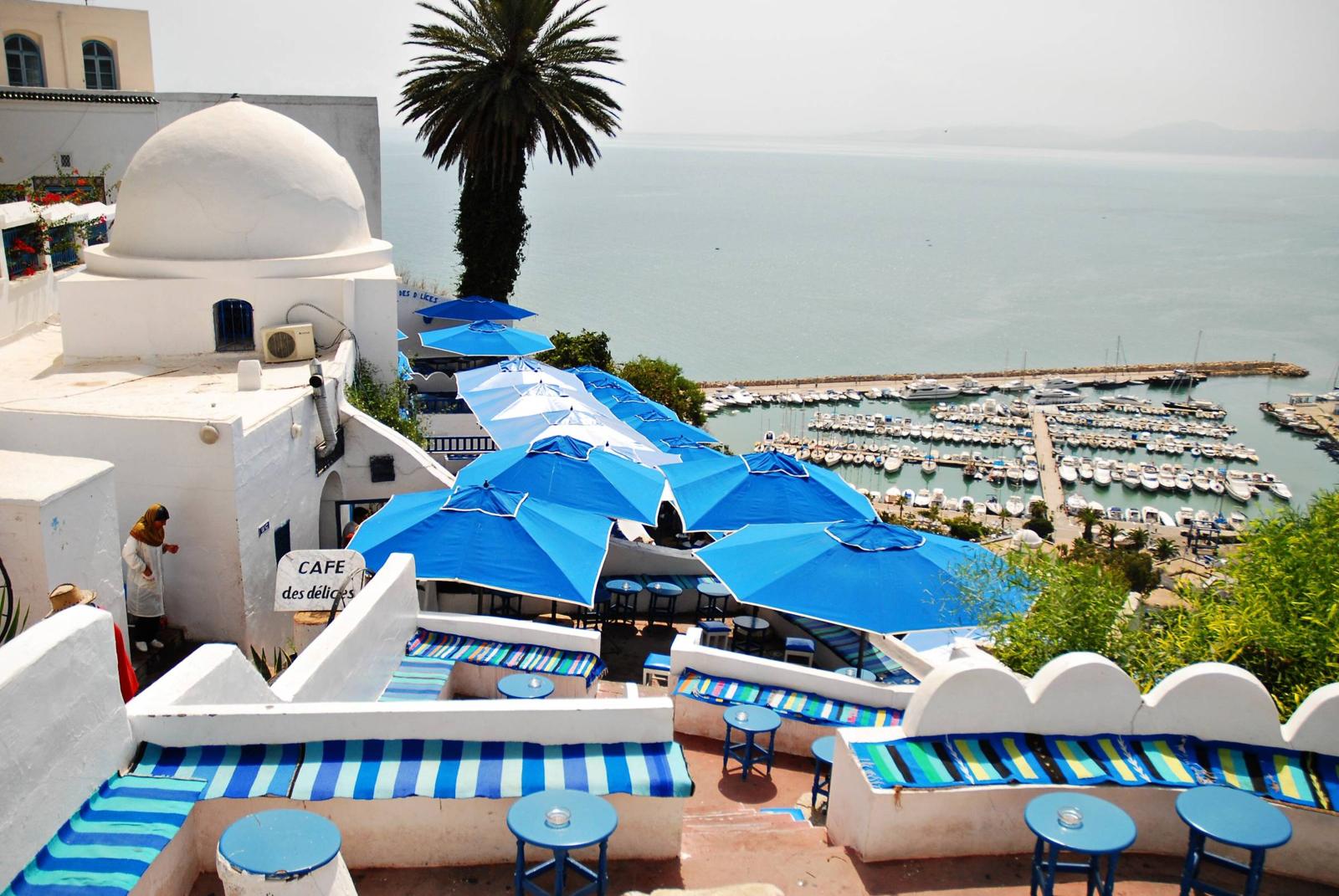
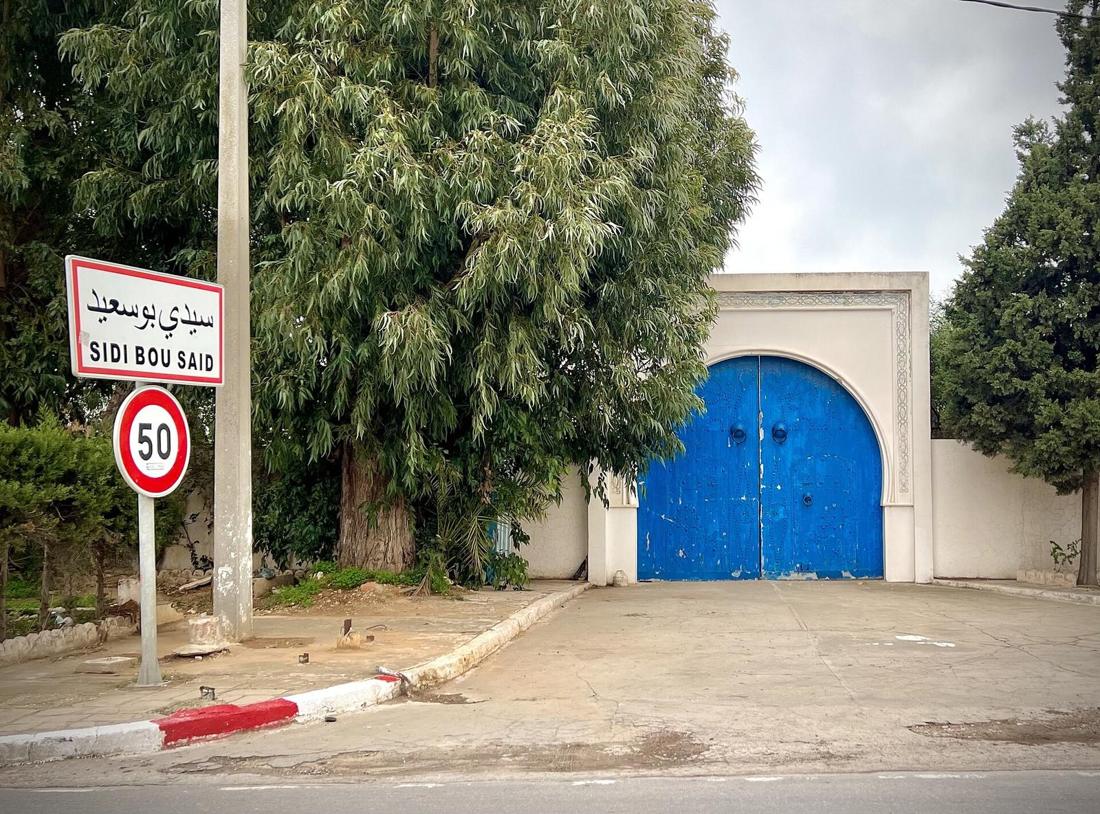
Whitewashed walls, blue shutters and a sea that changes colour by the hour. Sidi Bou Saïd has inspired painters from Paul Klee to today's Instagram.
Explore → An independent travel guide to Tunisia
Mediterranean · Sahara · 3,000 years of history
An independent travel guide to Tunisia
Mediterranean · Sahara · 3,000 years of history
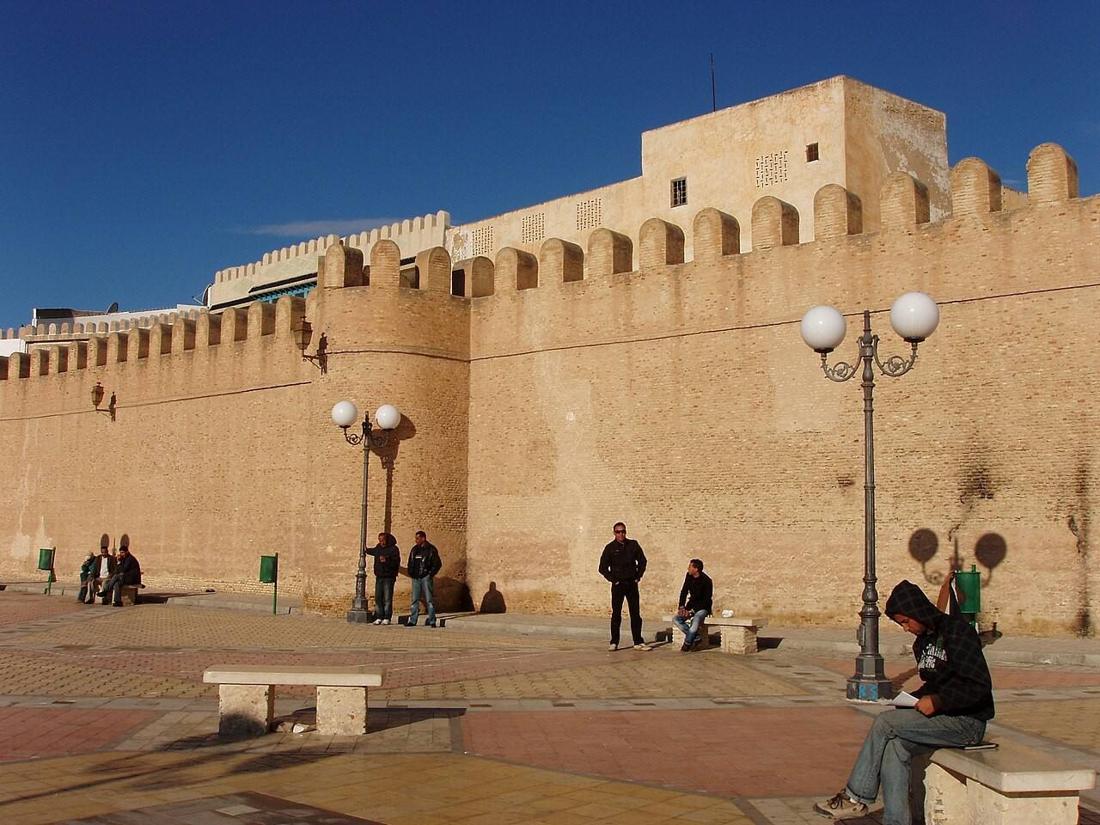
Blue-and-white villages above the sea, Roman cities in wheat fields, holy Kairouan and the dunes of the Sahara. Most of Europe is two to three hours away by plane.
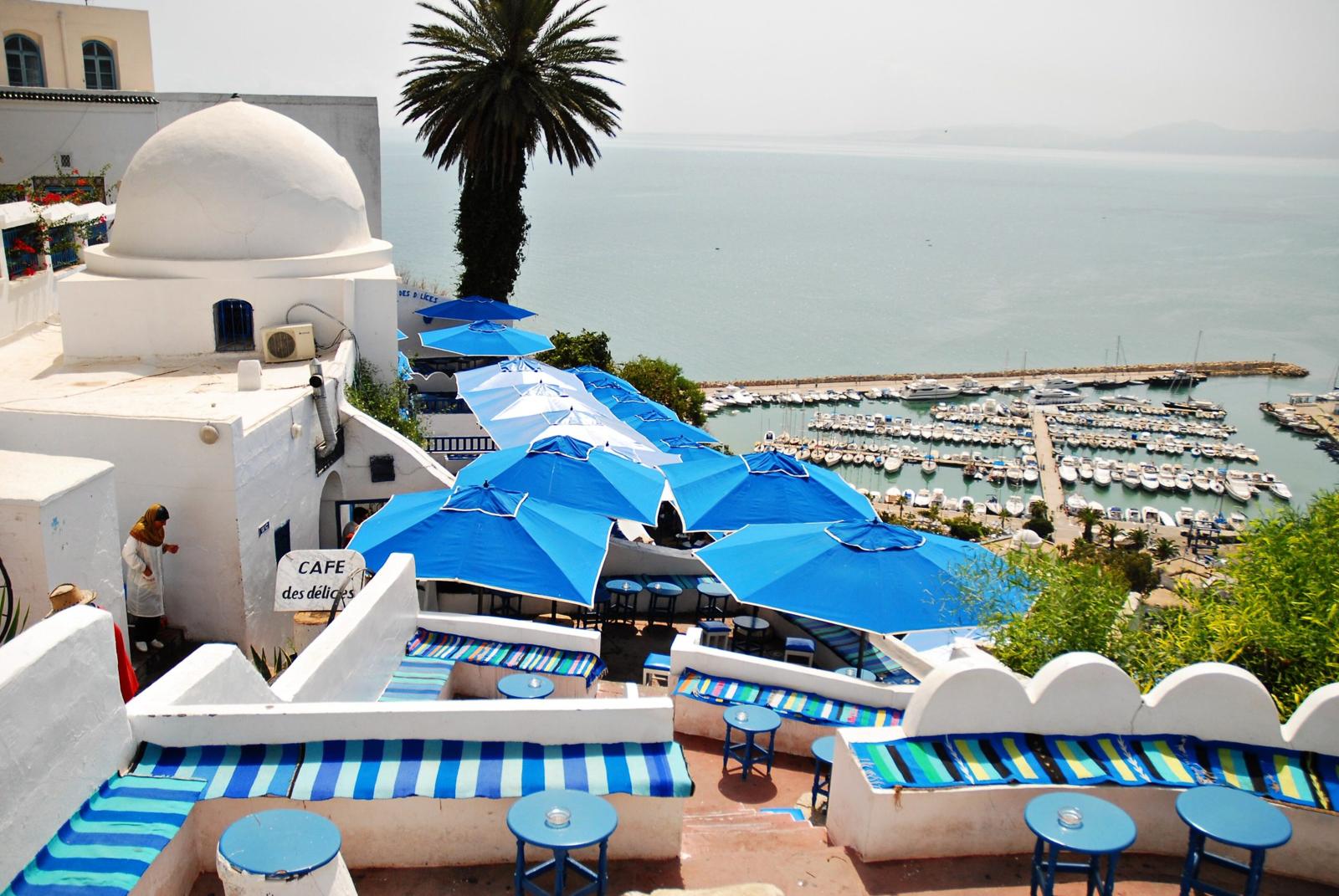
Whitewashed walls, blue shutters and a sea that changes colour by the hour. Sidi Bou Saïd has inspired painters from Paul Klee to today's Instagram.
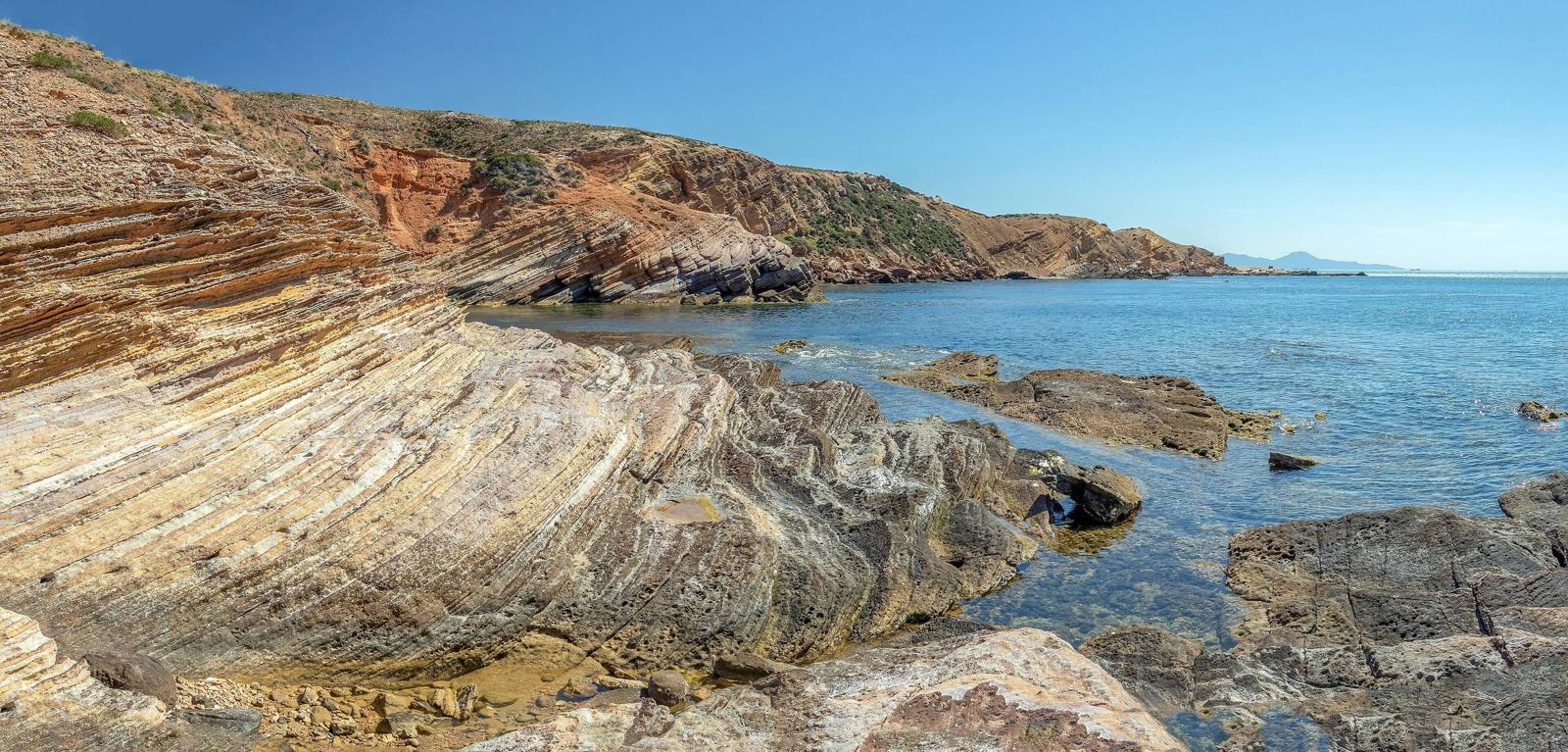
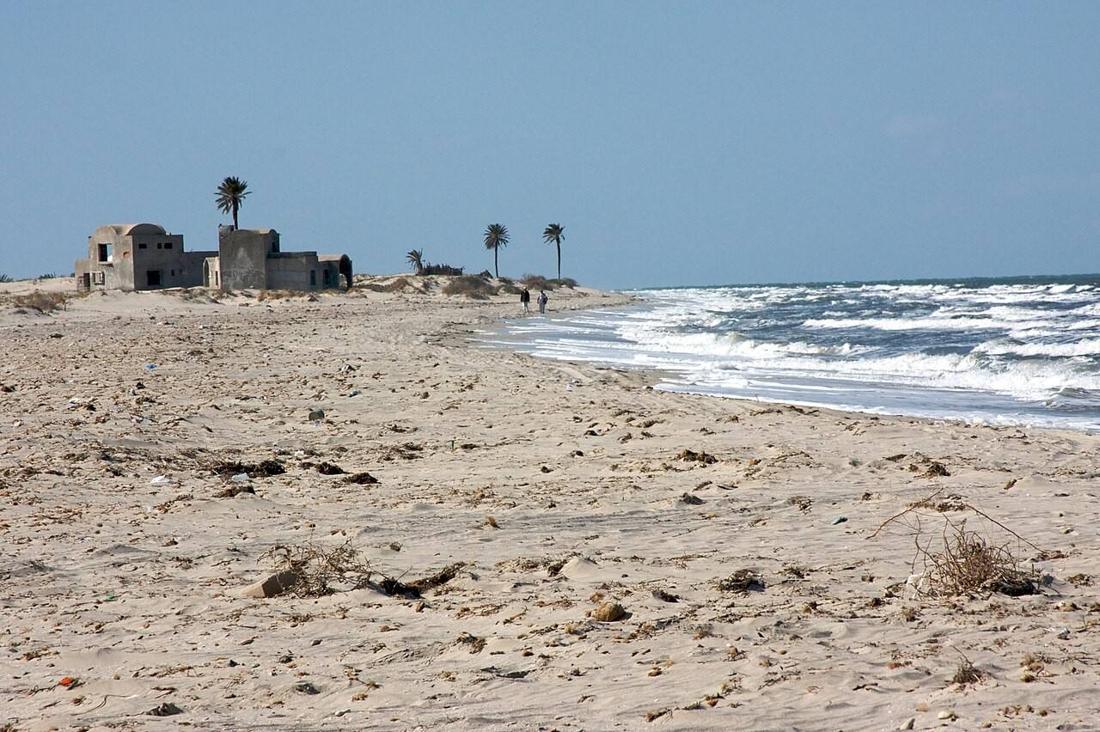
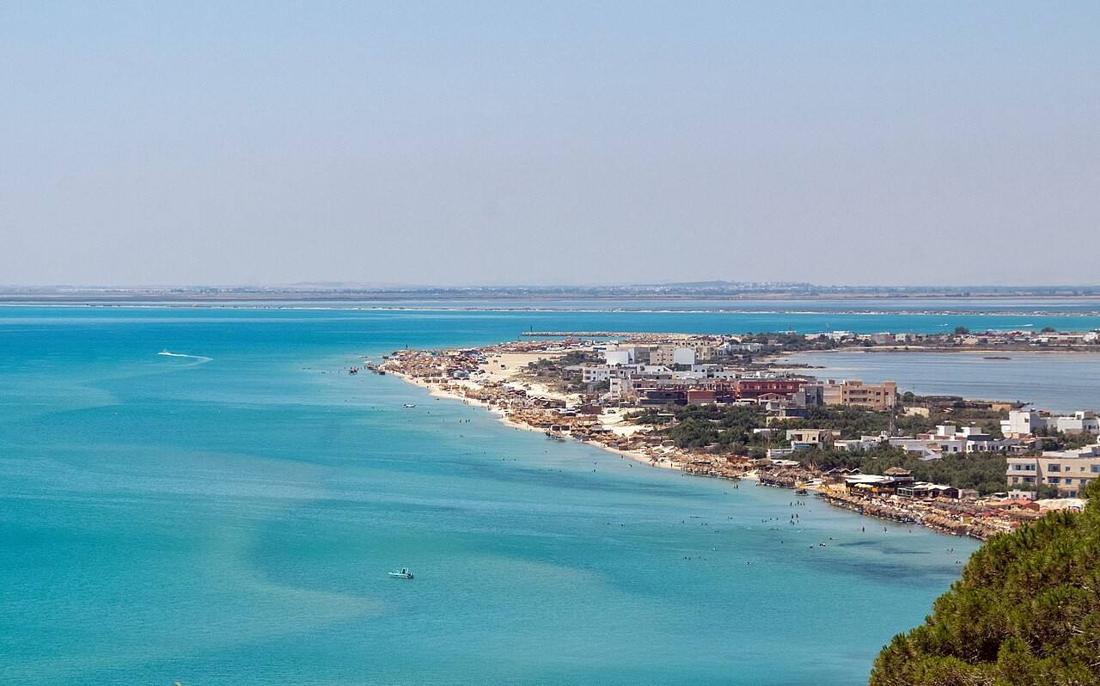
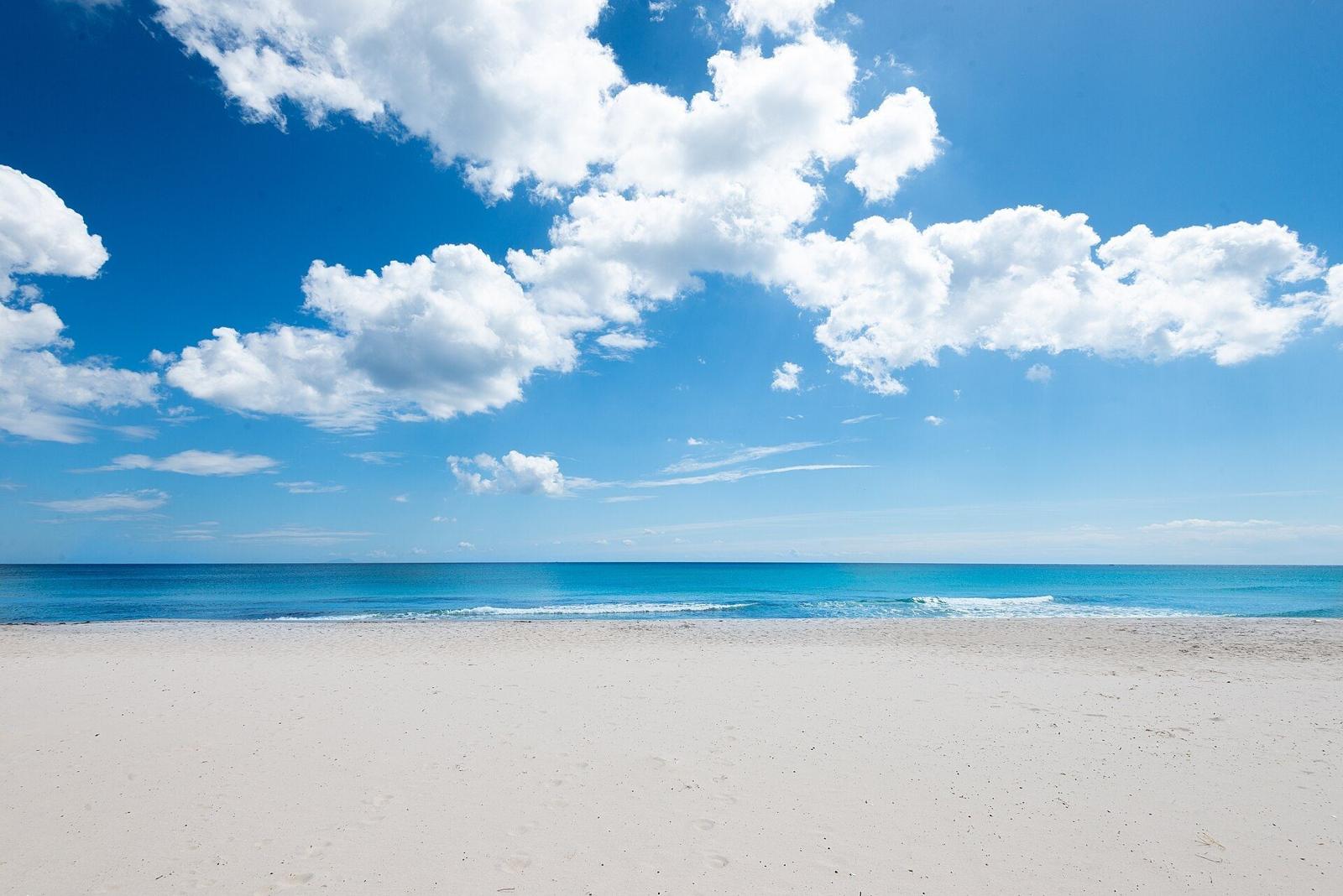
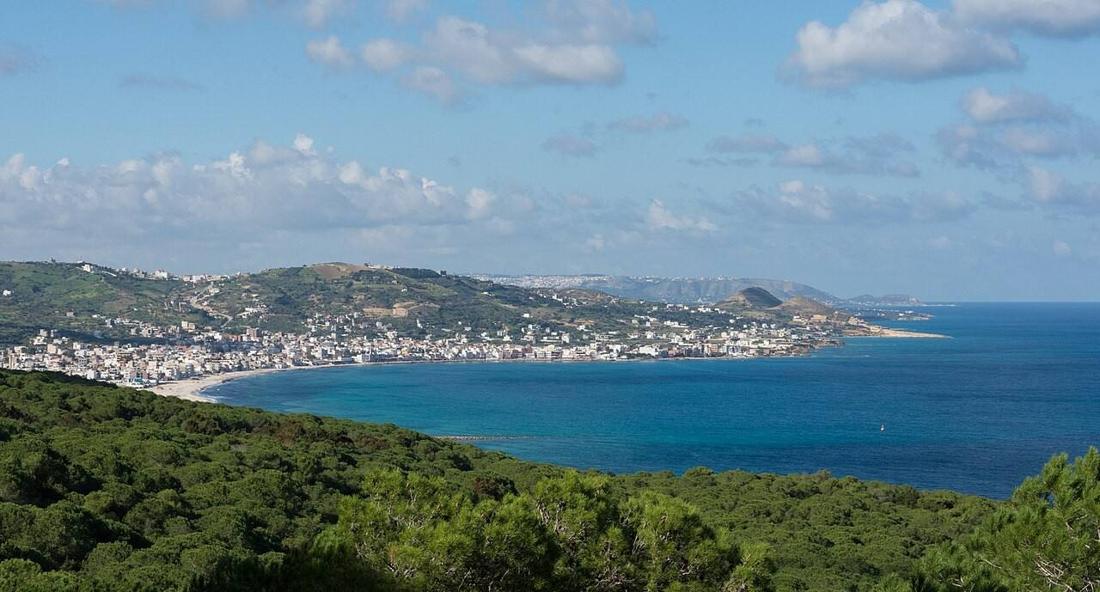
Explore →Fine white sand, warm shallow water and coves you can still have to yourself, from Kelibia to Djerba.
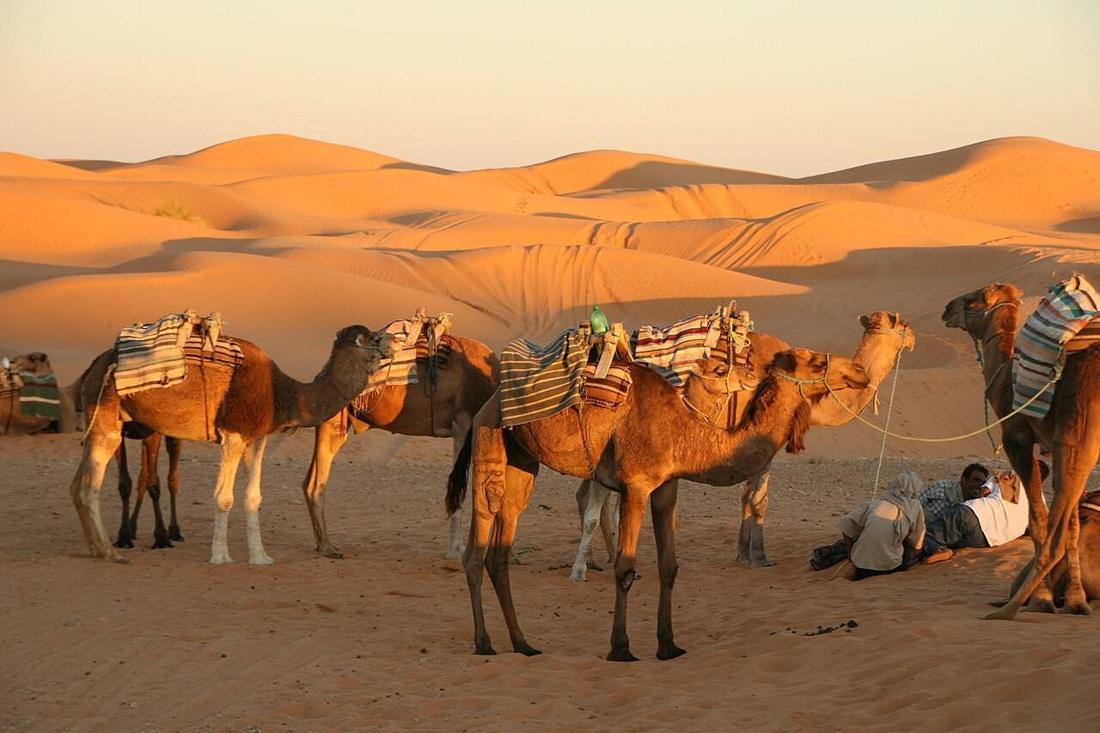
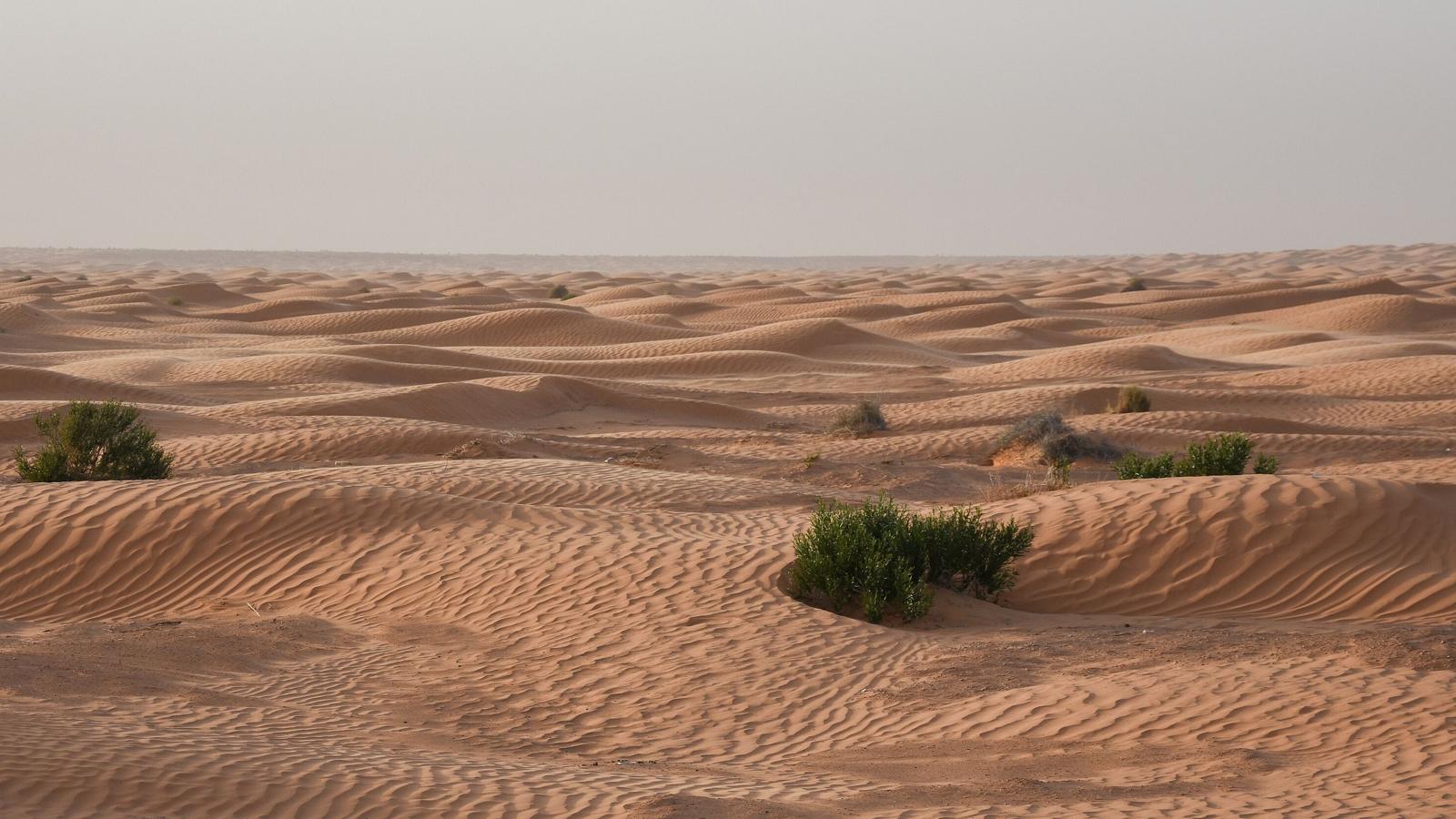
Explore →Europe's easiest door to the great desert: sleep under the stars in the Grand Erg Oriental and wake to silence.
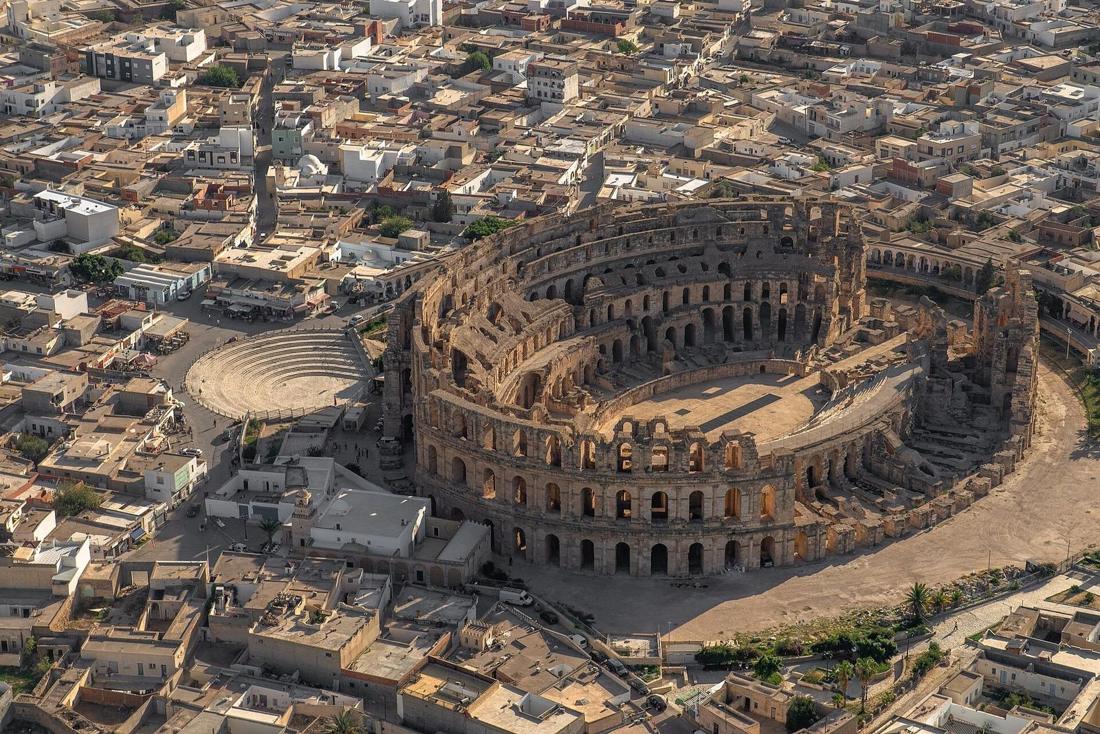
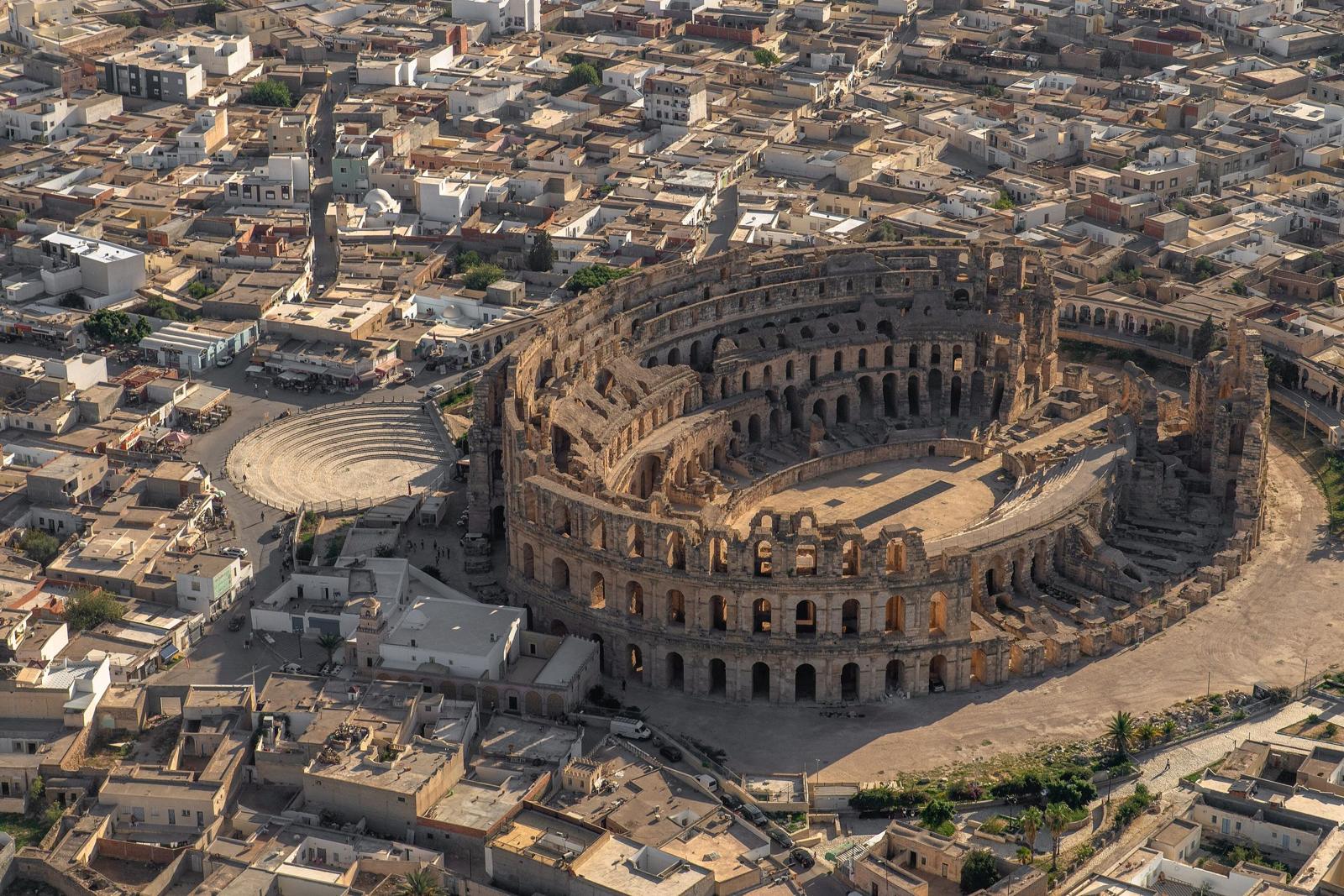
Explore →The amphitheatre of El Jem rivals the Colosseum, and you can walk its arena almost alone.
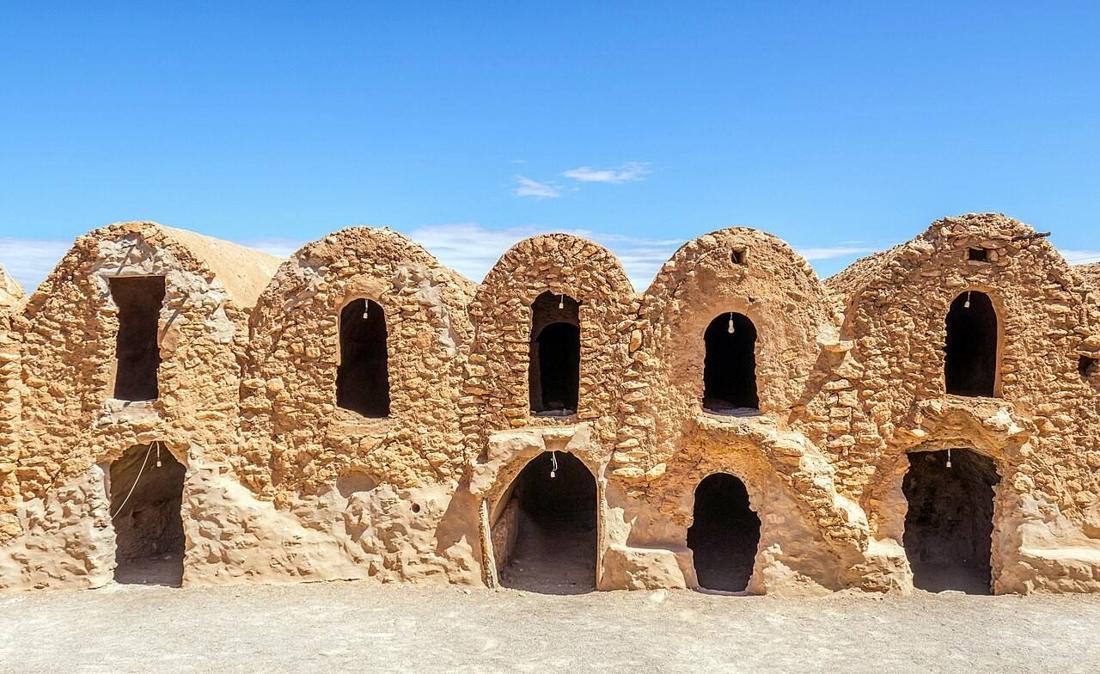
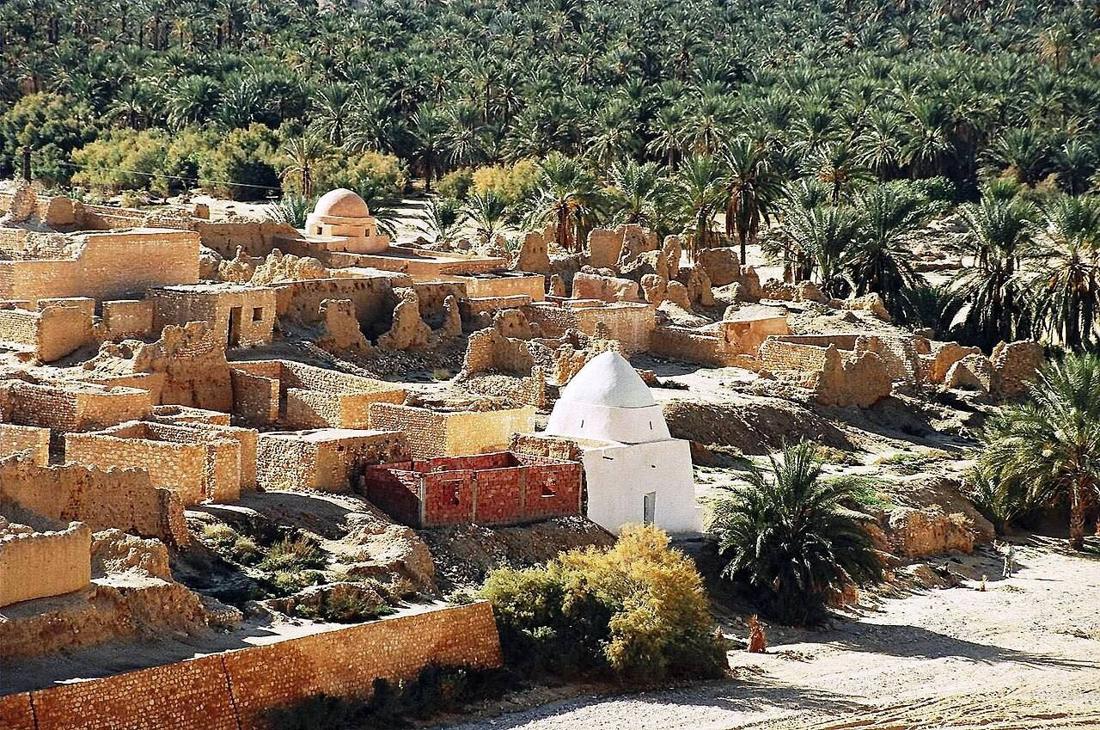
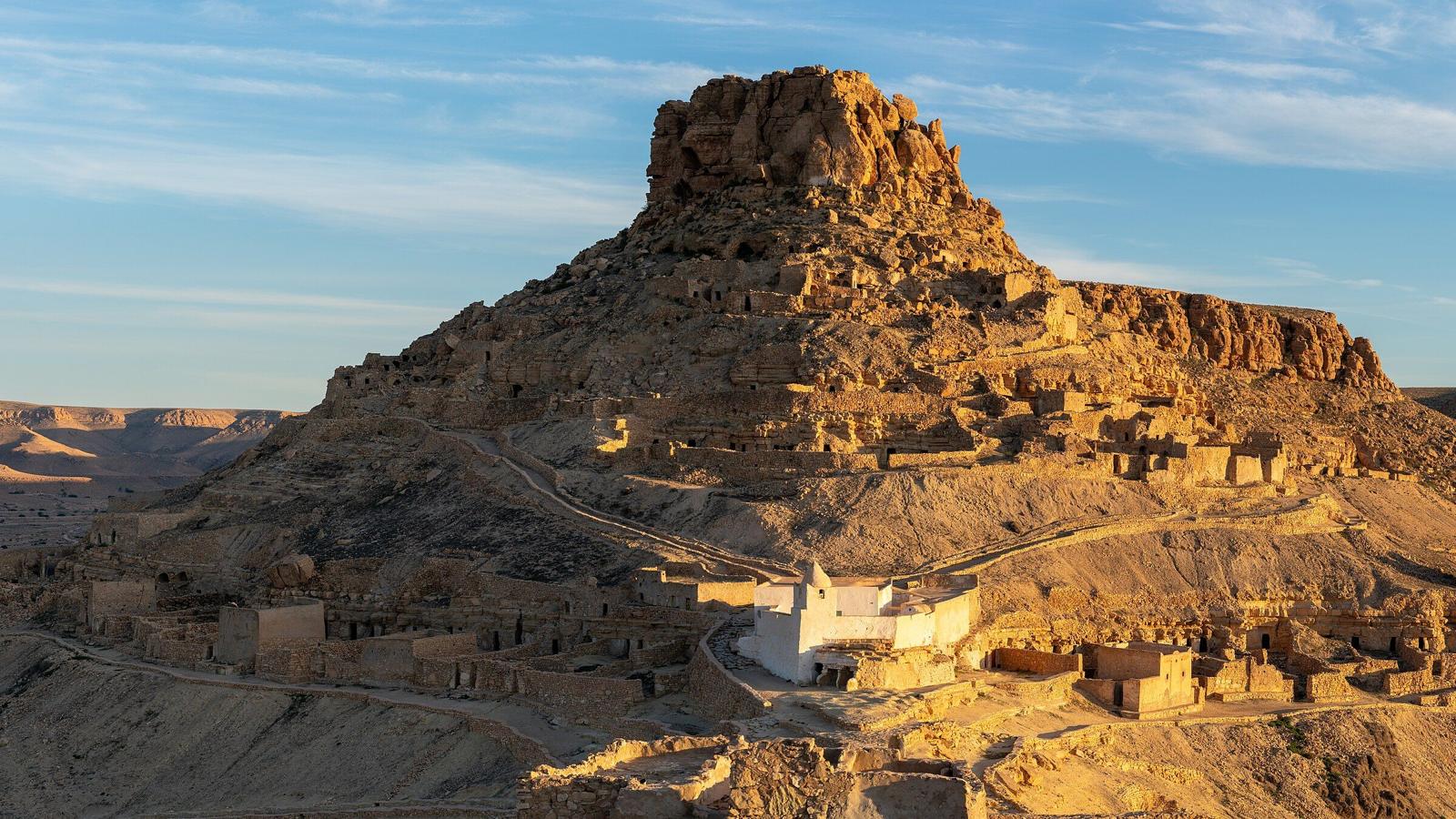
Explore →Hilltop granaries and cave homes in the south, built by Amazigh communities and still lived in today.
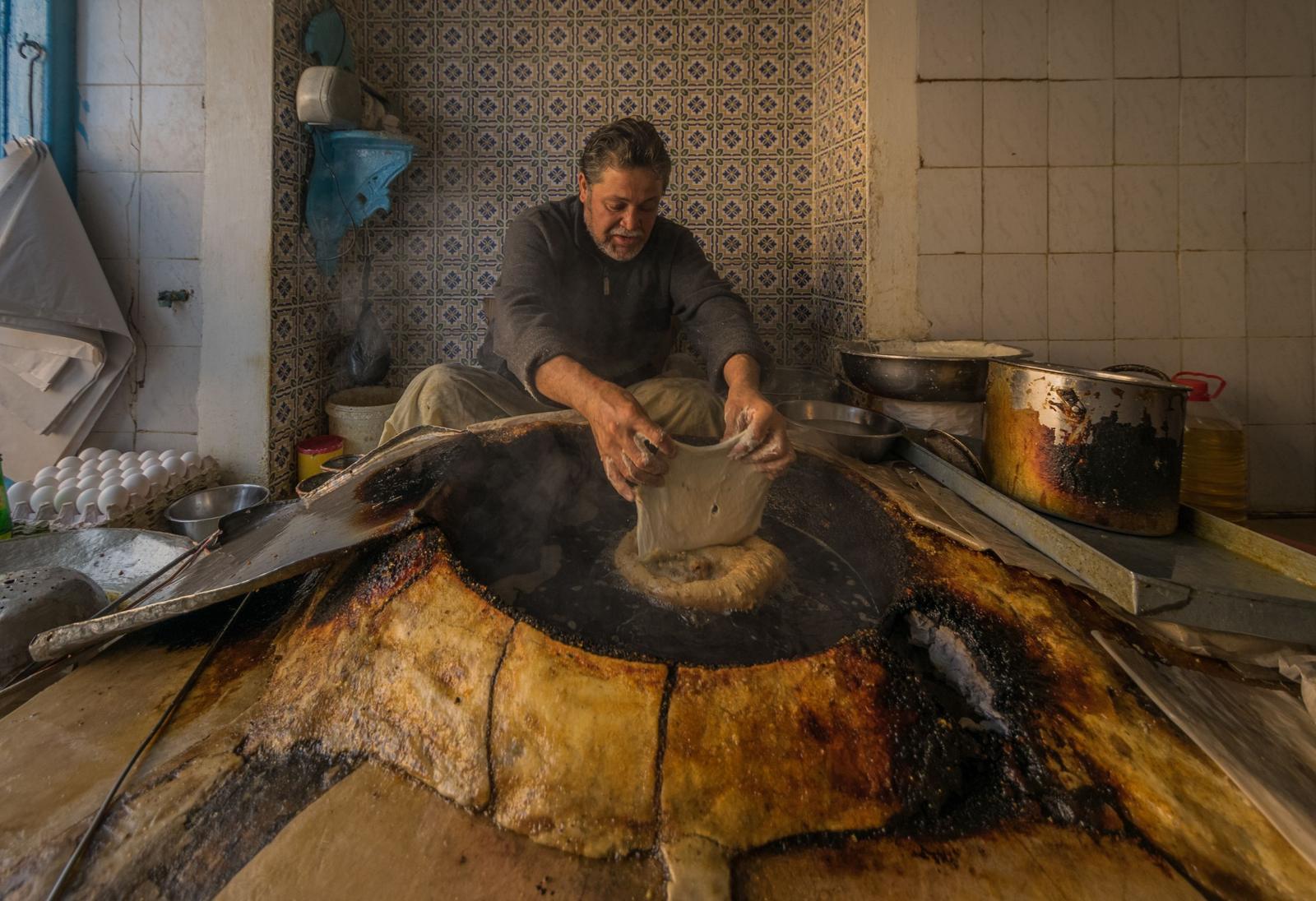
Explore →The baker frying bambalouni at dawn, the shopkeeper pouring tea, the family who invites you to lunch. Tunisia's people are its greatest attraction.
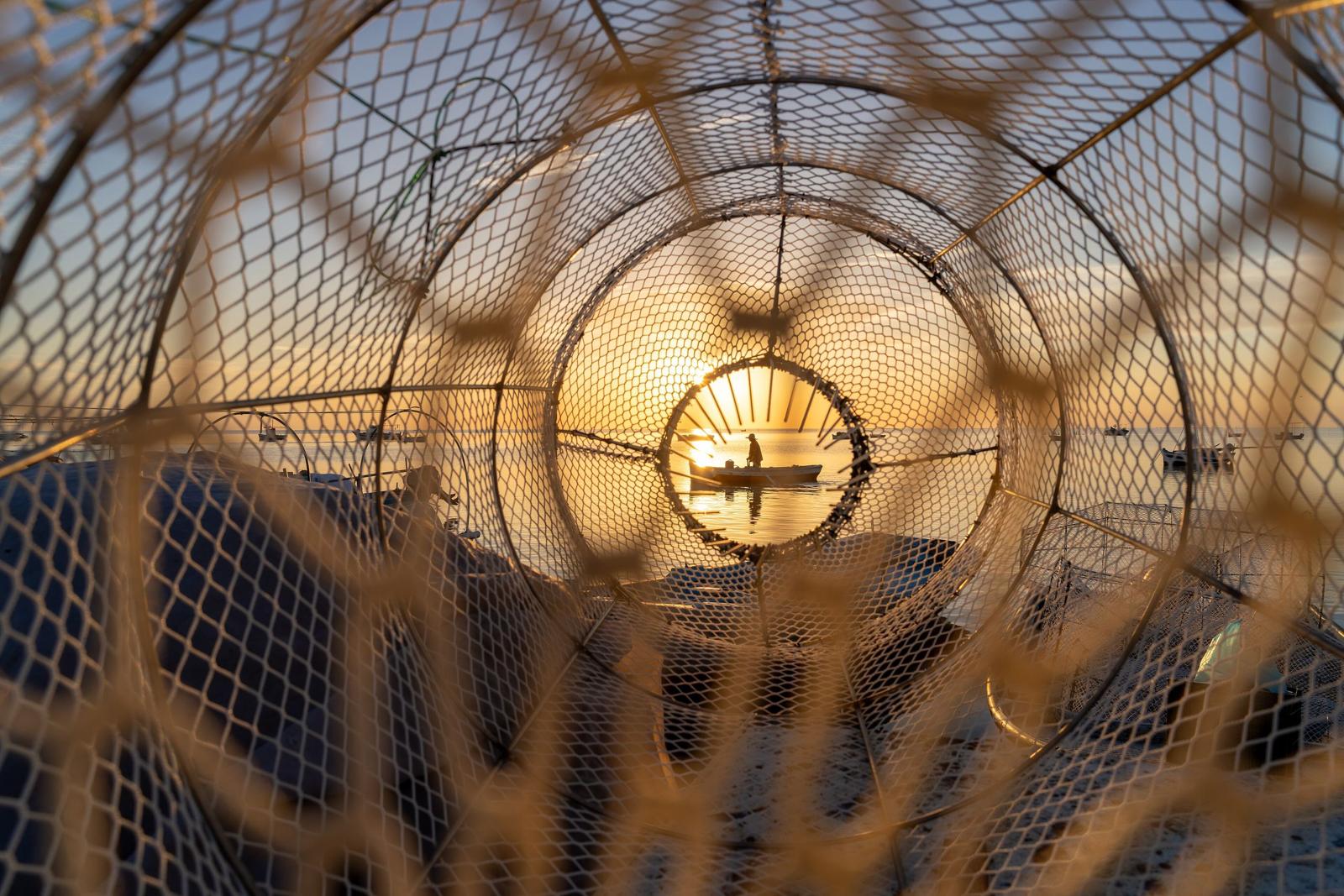
Discover Tunisian culture →On Kerkennah, fishermen still set palm-frond traps at sunrise, a technique on UNESCO's heritage list.
Explore →Tunisia is about the size of England and Wales, so a single week can hold a beach, a medina, a Roman city and a night in the desert.
Swim in the Mediterranean in the morning and watch the sun set over the dunes a few hours' drive south.
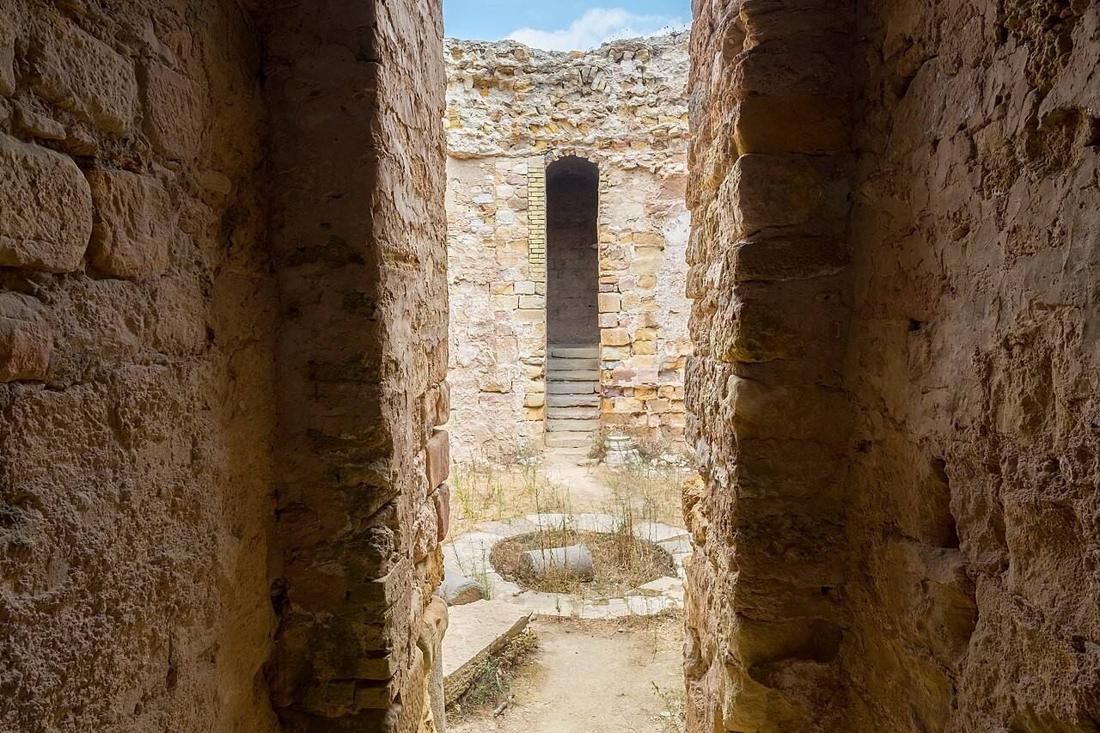
Punic Carthage, El Jem's arena, the Great Mosque of Kairouan and ten World Heritage sites.
Hotels, meals and guides cost noticeably less than in most of southern Europe.
Two to three hours' flight from most European capitals. No visa needed for most of Europe, North America and the Gulf.
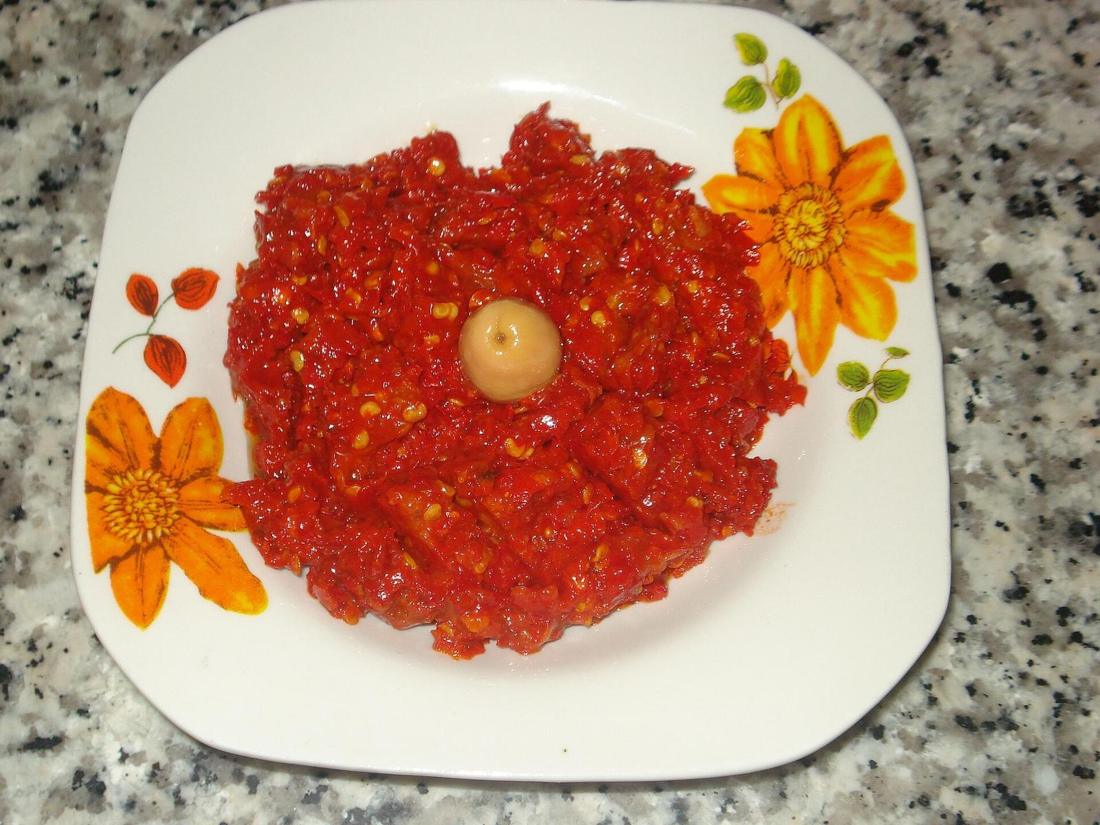
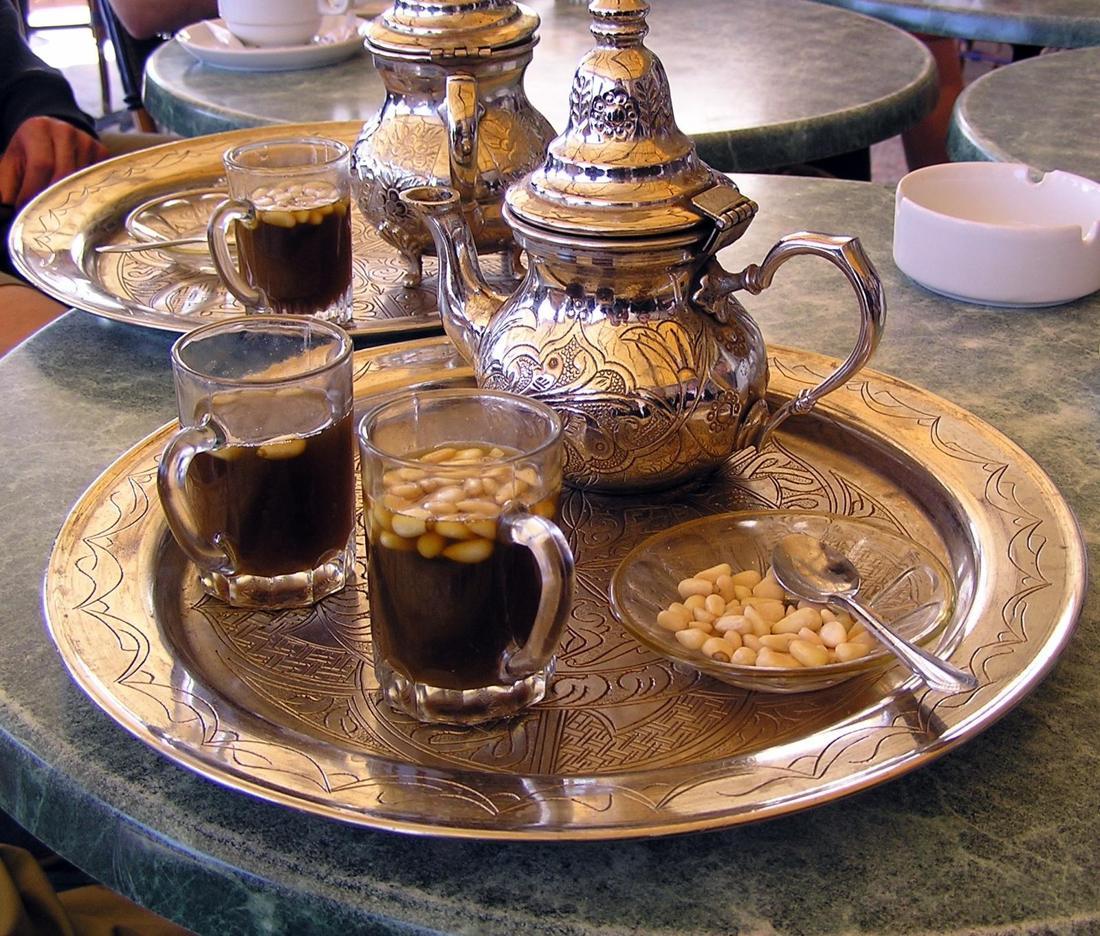
Couscous, brik, fresh fish, harissa, olive oil and sweet mint tea with pine nuts.
Tunisian hospitality is famous. Expect to be offered tea, directions and a lot of conversation.
Pick a feeling and we'll suggest three places to start.
Breakfast by the Mediterranean.
Sunset over the Sahara.
Bread from the clay oven, henna before a wedding, drums at midnight, the last boats coming in. Small moments that stay with you long after the trip.
Photos from Wikimedia Commons contributors, credited in each photo and in the Travel guide. See the full gallery →
Made to make Tunisia easy to discover and easy to visit, from the first idea to the flight home.
 Online · Tunis 09:00 = Paris 09:00
Took a beautiful photo in Tunisia? Send it with the story behind it. Every month we feature the top 10 on our site and in our newsletter, and thank everyone who took part.
Filter by what you love, save favourites with the heart, and build your own shortlist.
Your shortlist is empty. Tap the heart on any place to save it.
From coral reefs to camel treks, with a link to where each happens.
The people, traditions, music, crafts and everyday rituals that make a trip to Tunisia memorable.
Tunisians are famously hospitable. Ask for directions and you may be walked to the door; stop at a shop and you may be offered a glass of mint tea. In the countryside, visitors are often invited home for couscous or fresh bread with olive oil.
The greeting you will hear everywhere is ahla w sahla, "welcome". Reply with yaishek, "thank you", and you will make a friend.
Press play on the rhythm to feel each style.
Andalusian classical music brought by refugees from Spain, played with oud, violin and darbouka. Testour hosts a festival every year.
Popular music named after its bagpipe, heard at weddings and parties across the country.
Trance music with roots in sub-Saharan Africa, built on iron castanets (shqashiq) and the gumbri lute.
Potters in Nabeul, weavers in Kairouan, chechia makers in Tunis, coppersmiths in the medina. Ask before you photograph, and buy straight from the maker when you can.
Tap a card to learn more.
"If, one day, a people wills to live, then fate must answer."
Abu al-Qasim al-Shabbi (1909–1934), lines that appear in Tunisia's national anthemLast updated October 2026.
Tunisia Unfolded is an independent, non-commercial guide that helps travellers discover all 24 governorates of Tunisia. We don't sell trips or take bookings. This website is not affiliated with the Ministry of Tourism and Handicrafts or the Tunisian National Tourism Office (ONTT); for the official tourism site visit discovertunisia.com. Contact: hello@tunisiaunfolded.com.
Publisher: the Tunisia Unfolded team. Contact: hello@tunisiaunfolded.com. Hosting: Netlify, Inc., San Francisco, USA. Travel information is provided as a general guide in good faith. Entry rules, prices, opening hours and dates change; always confirm with official sources before you travel. Venues listed are independent businesses and are not endorsed by us.
We only collect what you choose to send us through our forms: your email address for the newsletter, and your name, email, photo and caption for the photo of the month. Form submissions are stored by our hosting provider, Netlify, and used only for that purpose. We never sell or share personal data. Newsletter emails include an unsubscribe link; photo entries are kept for up to 12 months. To see, correct or delete your data, email hello@tunisiaunfolded.com.
We don't use advertising or tracking cookies. Your saved places, packing list and itinerary are stored only in your own browser so they're there when you come back; you can clear them at any time in your browser settings.
Photos come from Wikimedia Commons contributors under Creative Commons licences, credited on each photo and in full in the Travel guide. Some background textures, ambient videos and illustrations are AI-generated (Higgsfield) and are labelled as such; they do not show specific real places or venues.
By sending a photo you confirm you took it and allow us to show it on this website and our social pages with your name as credit. You keep the copyright and can ask us to remove it at any time.
تونس بعيونكم
Send us your best photo of Tunisia. Every month we feature the top 10 on this page and in our newsletter, with your name, the place and the story behind it.
Partagez vos plus belles photos de la Tunisie · شاركونا أجمل صوركم
Our first selection will be published at the end of the month. Your photo could be number one.
Every photographer who takes part this month will be thanked here by name.
Same time zone as Paris and Berlin, sea views, good coffee and a cost of living far below southern Europe. Here is what you need to know about working remotely from Tunisia.
 Capital · communityTunis & La MarsaThe most coworking spaces, cafés and meet-ups, with Sidi Bou Saïd and the beach next door.
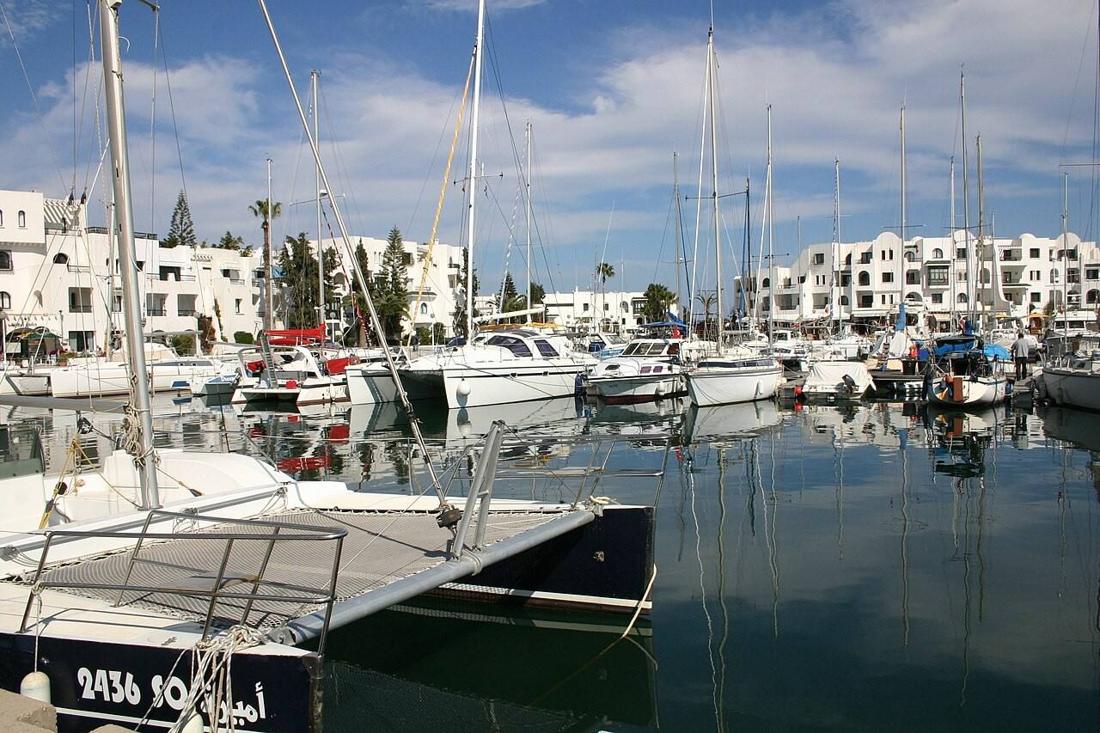 City + beachSousse & MonastirA lively medina, marinas and long beaches, with two airports close by.
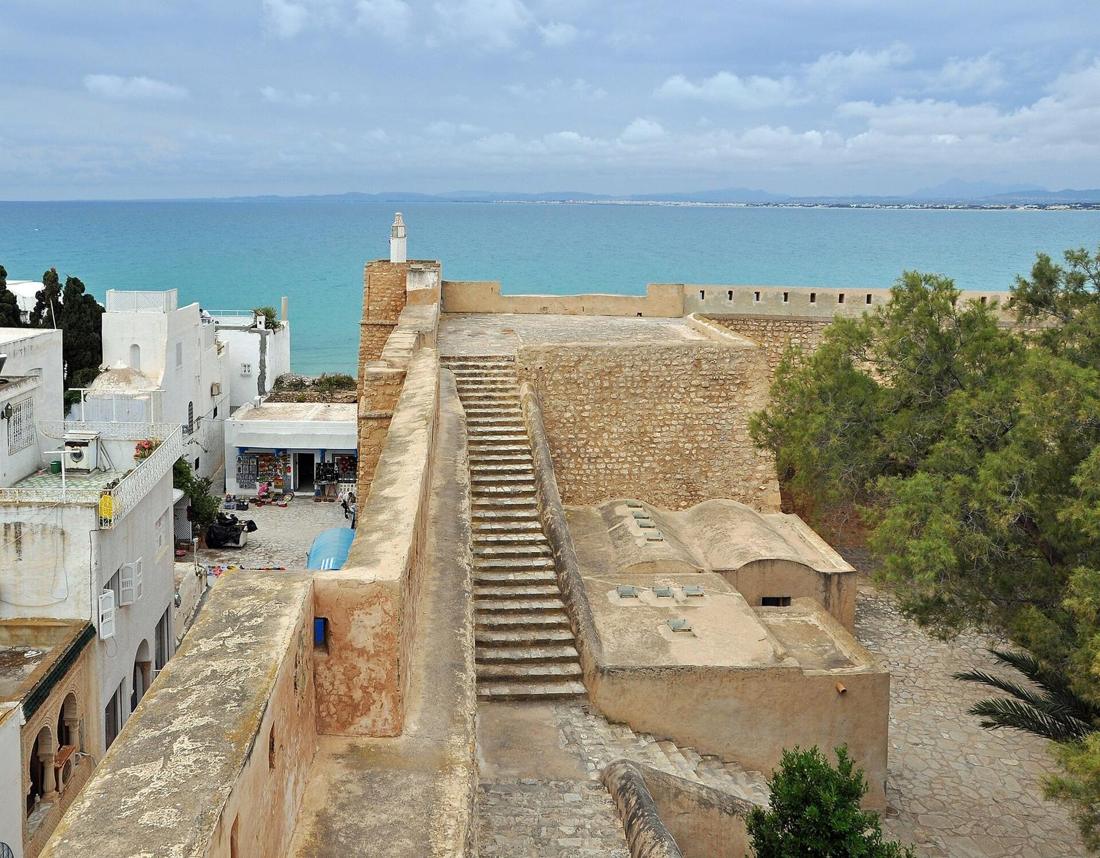 Calm & greenHammametGardens, quiet beaches and long-stay apartments an hour from Tunis.
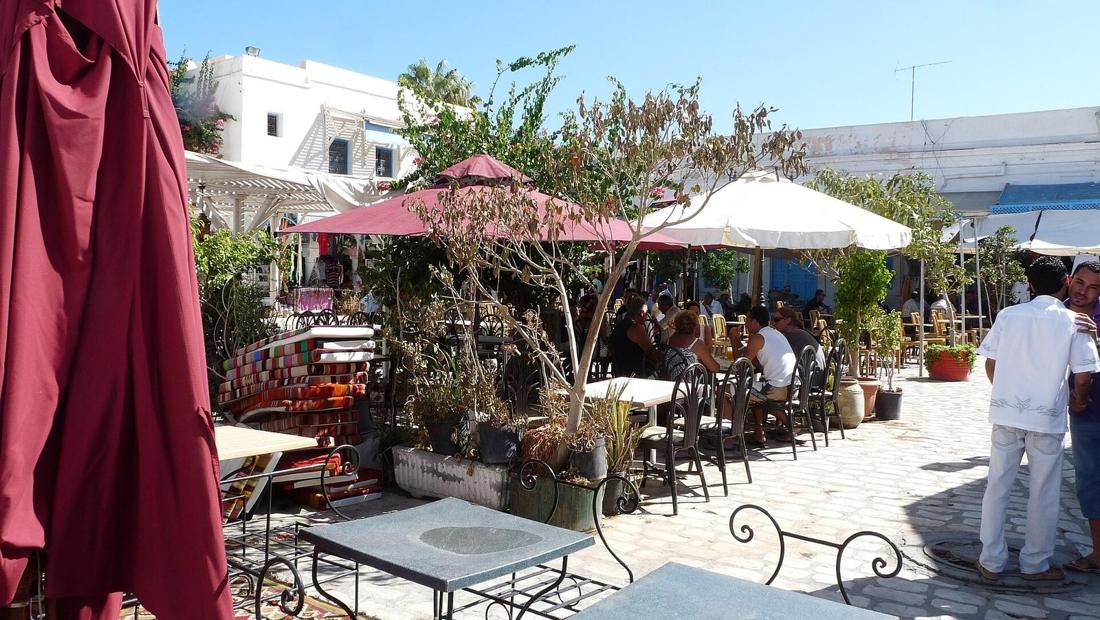 Island slow lifeDjerbaSunny winters, beaches and a creative scene around Djerbahood.
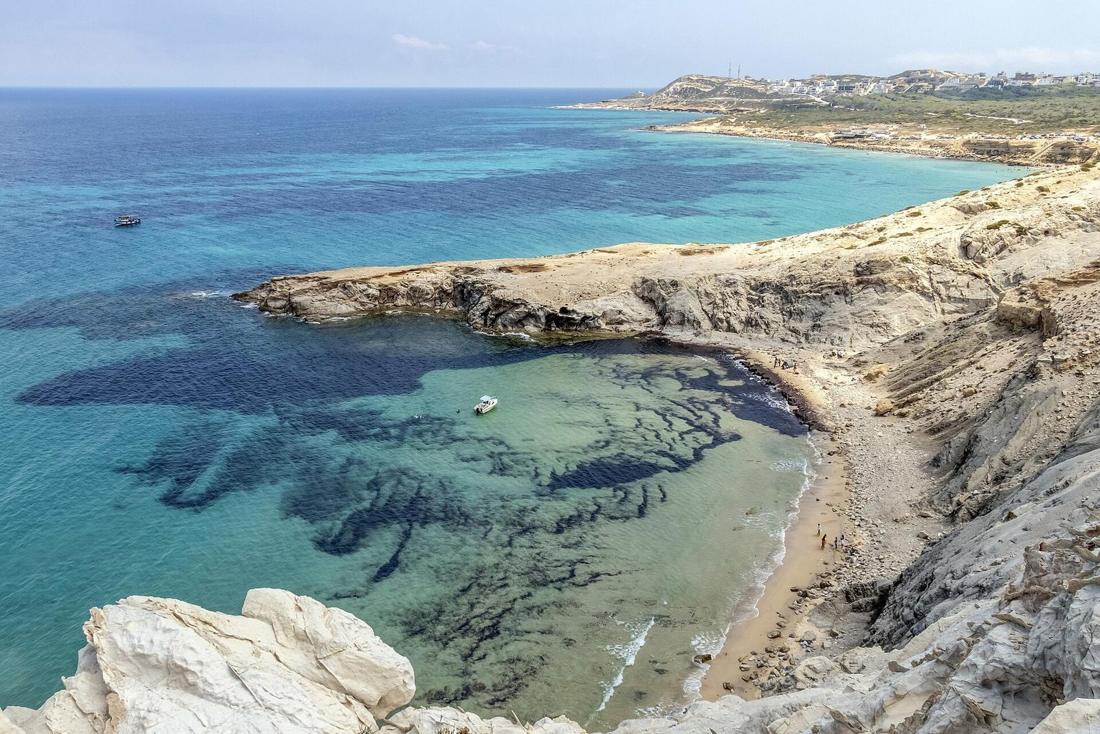 Wild coastBizerteAn old port town with cliffs and coves, for those who want space to focus.
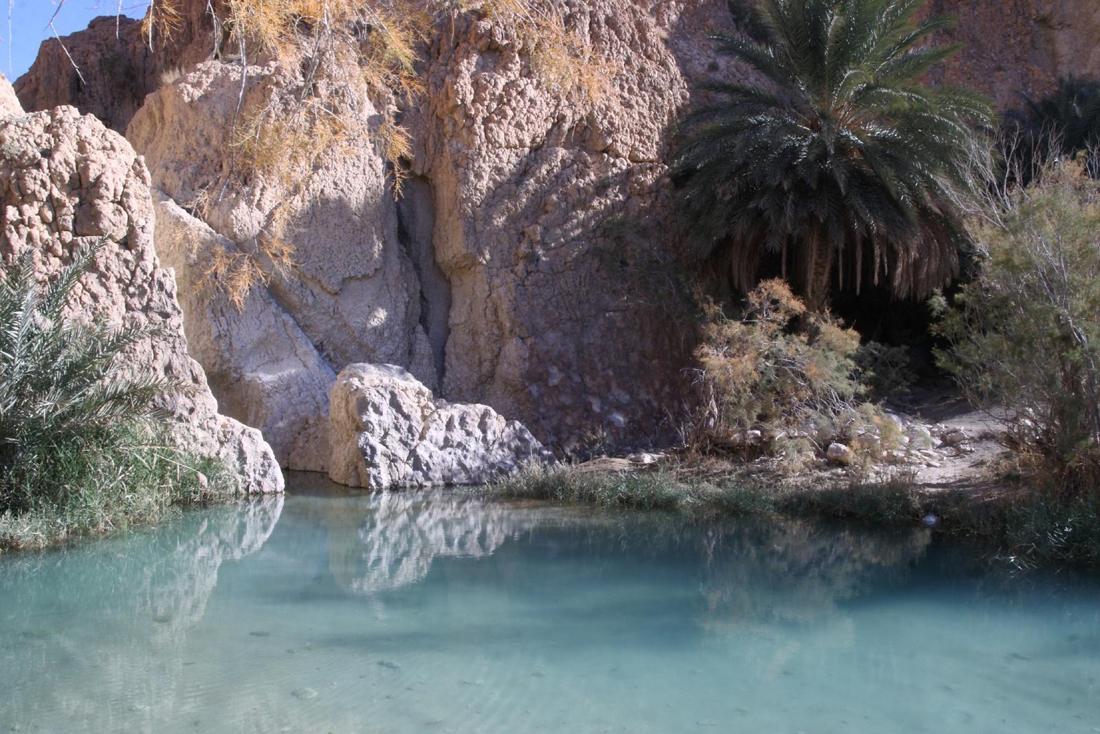 Winter sunTozeurPalm oases and desert light from October to April. Check connectivity before you book.
Choose where your team or clients are. The bar shows their 9:00–18:00 workday in Tunis time.
A rough guide for one person in 2026, including a furnished apartment, food, transport, coworking and leisure. Prices vary a lot by city and season.
Tunisia has no dedicated digital nomad visa. Many nationalities can stay visa-free for up to 90 days (some longer). For longer stays, you need a residence permit, so check the rules for your nationality before you plan.
Check your nationality →In many countries, spending 183 days or more in a year can make you tax resident. Get advice from a tax professional about your home country and Tunisia before a long stay.
Mobile 4G is usually faster and more reliable than home DSL. Buy a local SIM with a large data plan (Ooredoo, Orange or Tunisie Telecom) and keep it as backup.
SIM card guide →Tunis has the most coworking spaces, and there are more in Sousse, Hammamet and Djerba. Many cafés welcome laptops outside peak hours.
Monthly rates are often much lower than nightly prices. Ask for a written agreement, check the Wi-Fi speed and air conditioning before you sign.
Withdraw dinars from ATMs and keep exchange receipts. Cards work in larger shops; carry cash for markets and taxis.
Money guide →Check the entry rules for your nationality and set up your phone and internet on arrival.
Beaches, medinas, desert nights, spas, food and festivals.
Start with a mood, then follow the links to the governorates that do it best.
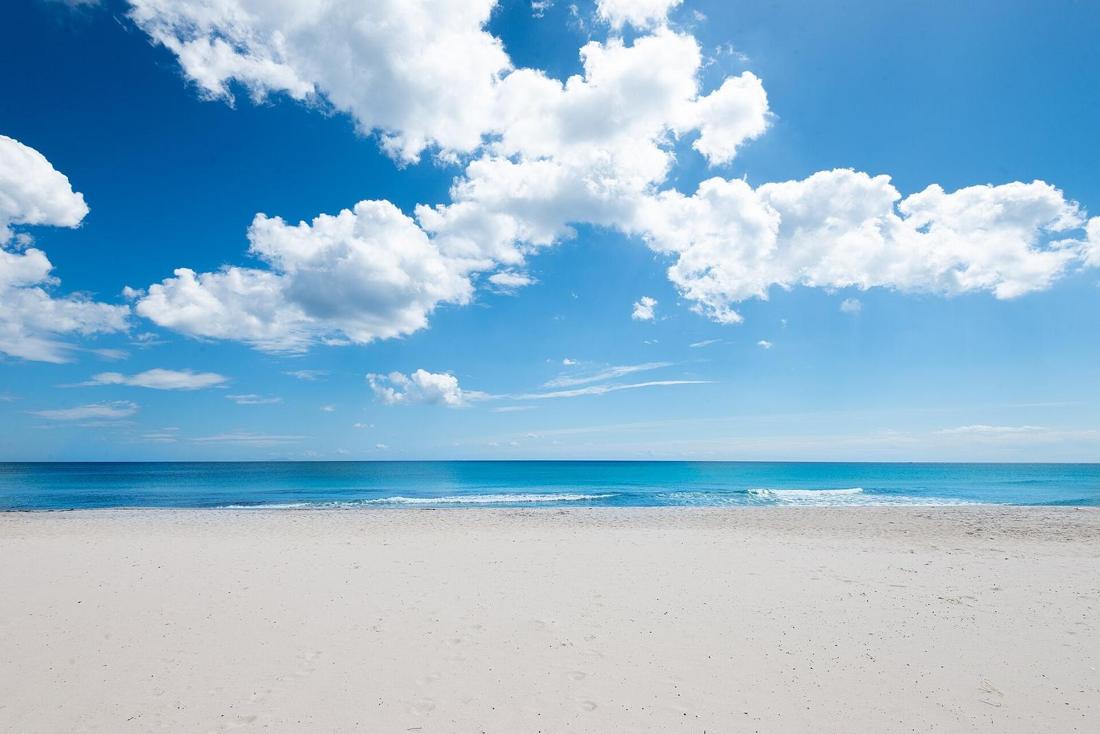
Long Mediterranean beaches on the east coast, coral coves in the north and island calm in the south.
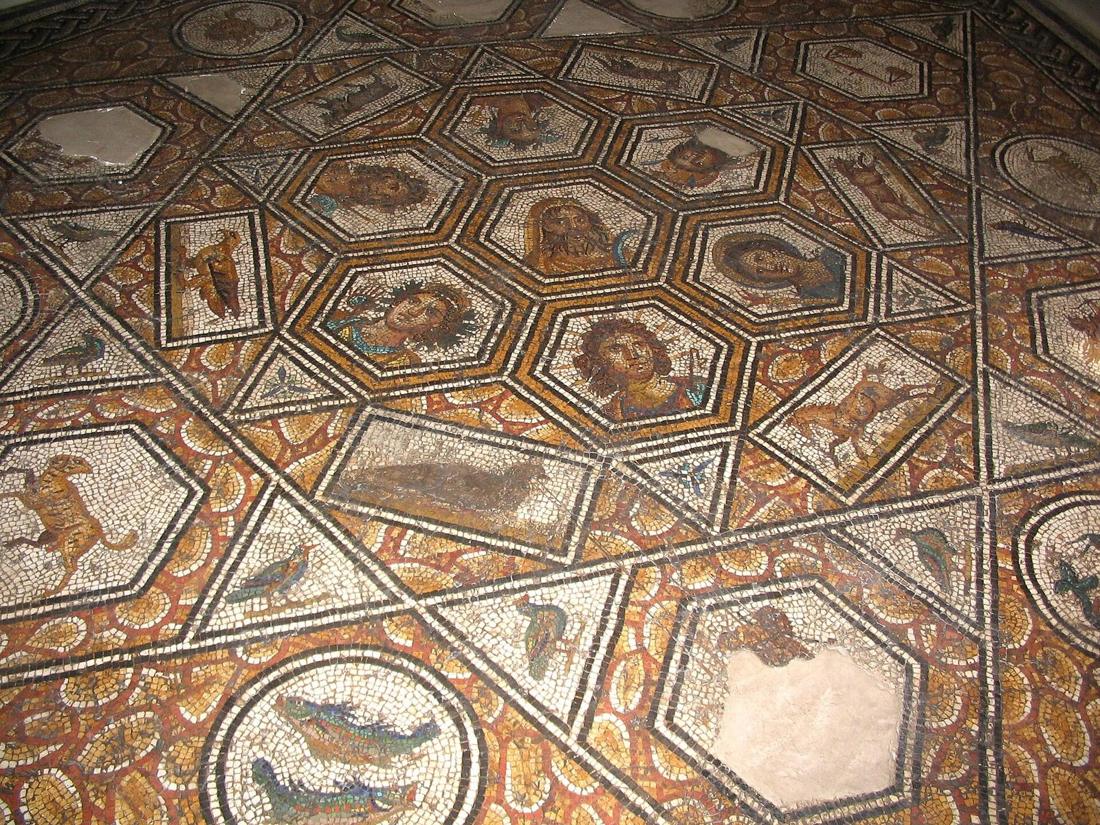
Punic Carthage, Roman cities, holy Kairouan and medinas that are still lived in every day.
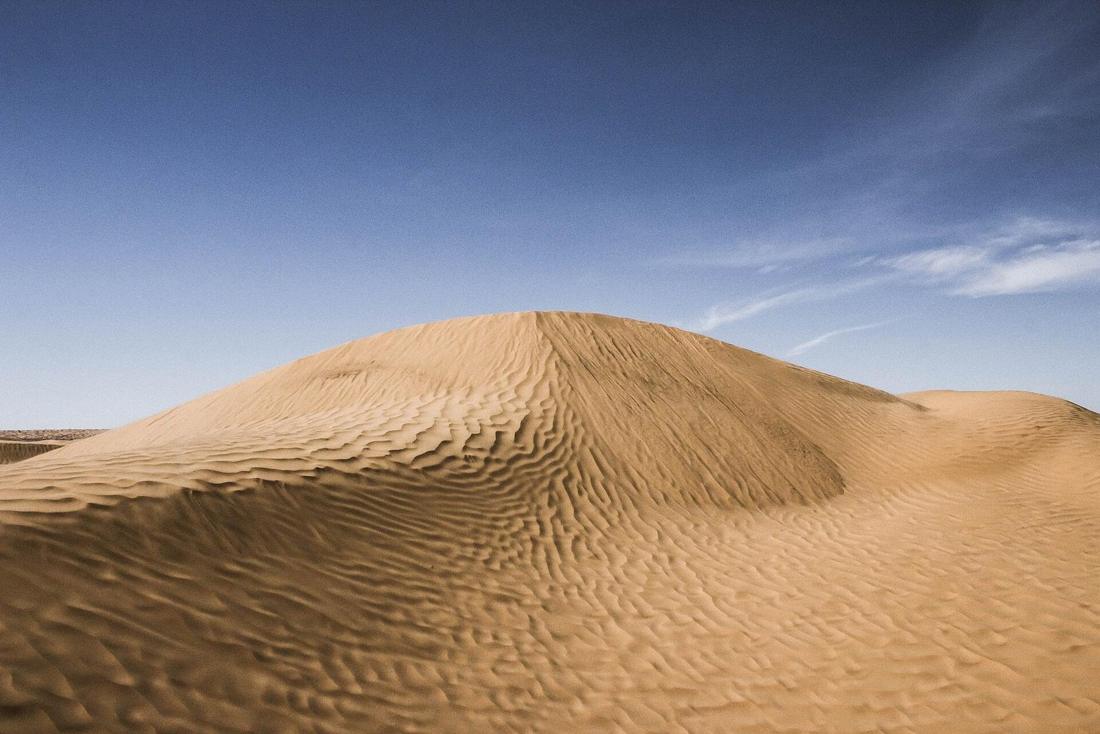
Dunes, salt flats, palm oases and nights under a sky full of stars.
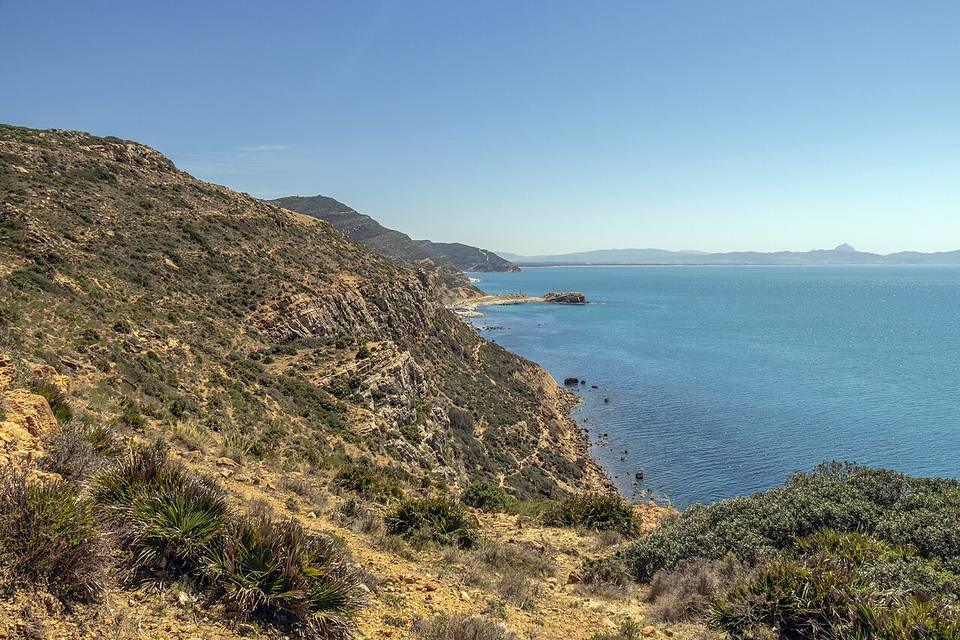
Tunisia is one of the world's leading thalassotherapy destinations, with natural hot springs as well.
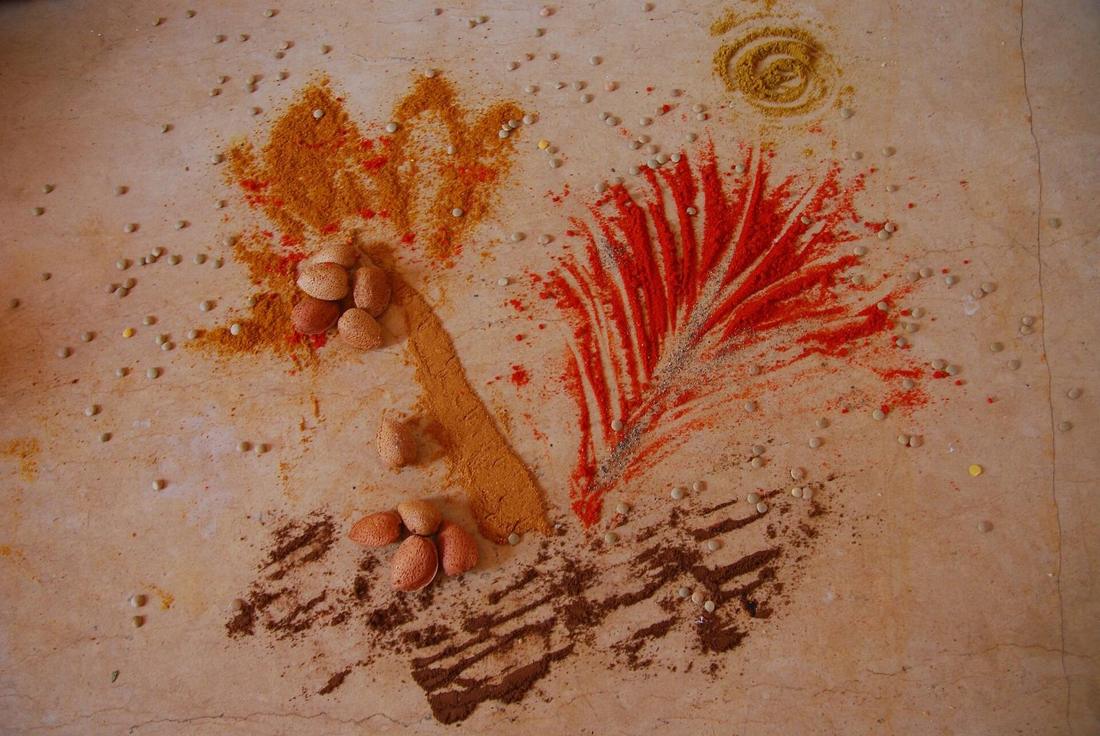
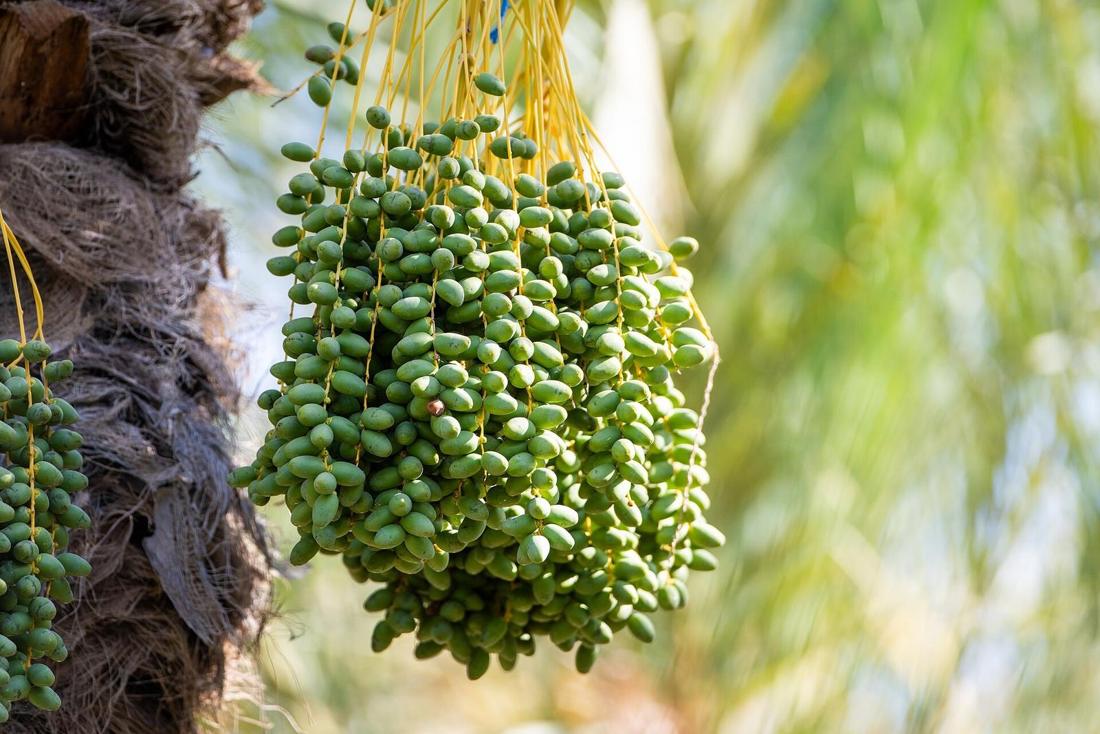
Olive oil, harissa, fresh fish, couscous and the sweetest dates of the oases.
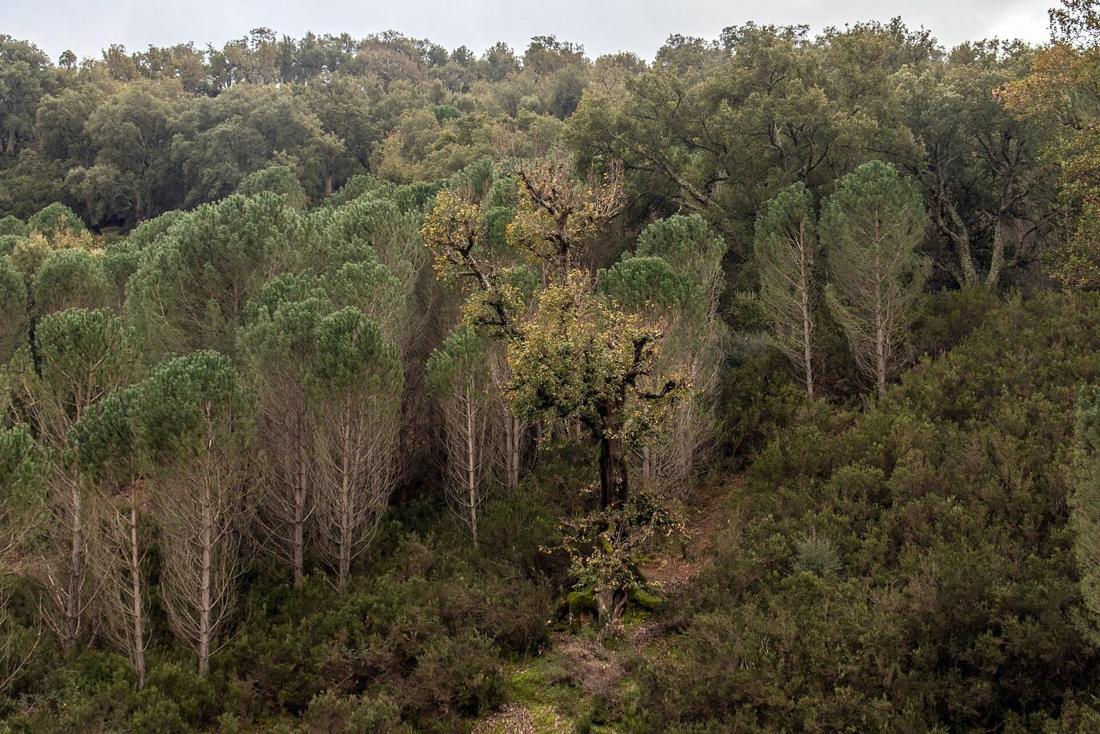
Diving off Tabarka, forest trails in the north-west, golf courses on the coast and in the oasis.
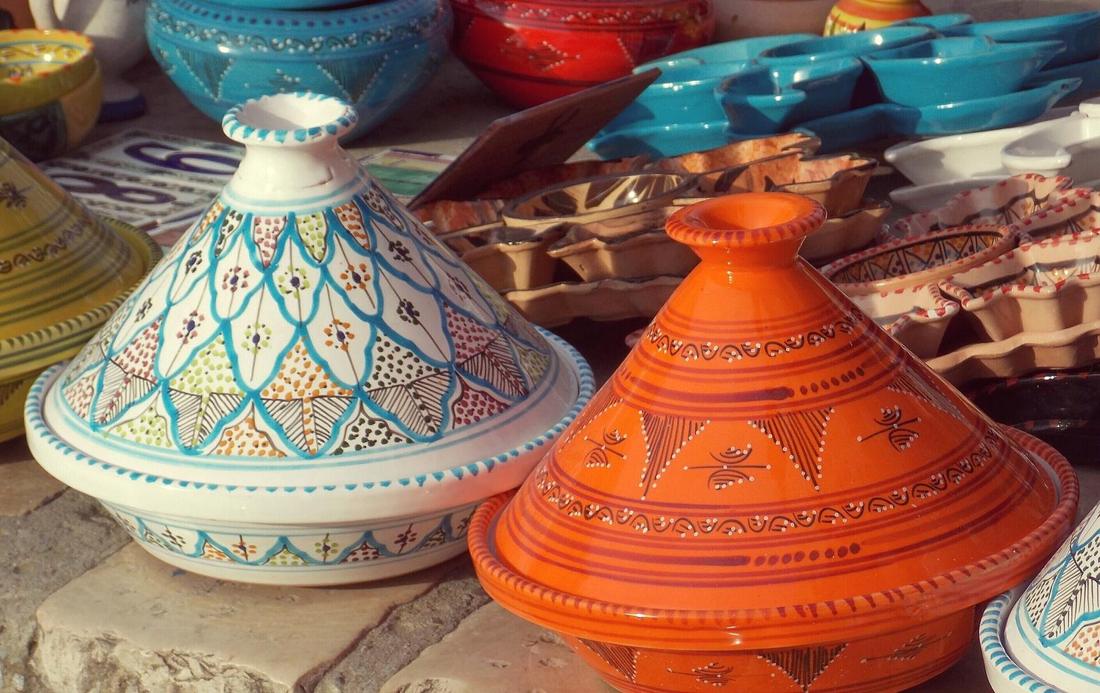
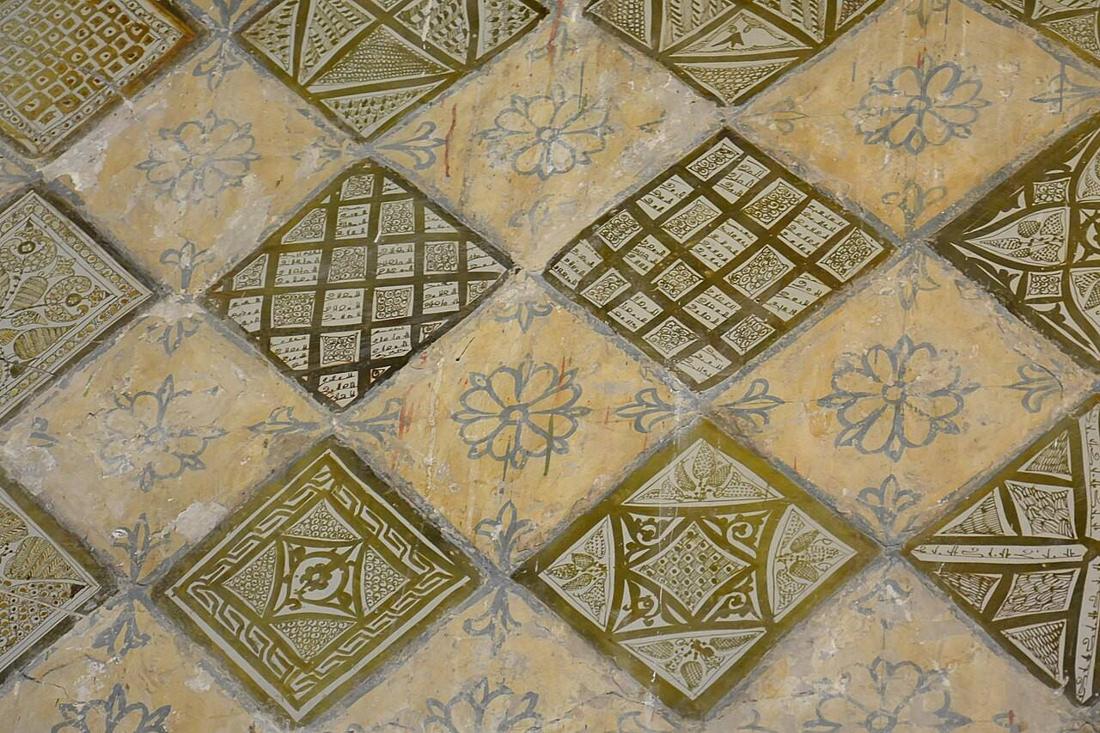
Sejnane pottery is on UNESCO's list. Kairouan rugs, Mahdia silk, Nabeul ceramics and Guellala clay are also worth seeking out.
Meals here are long and generous: a glass of mint tea with pine nuts, bread straight from the oven, a plate of something spicy to share.
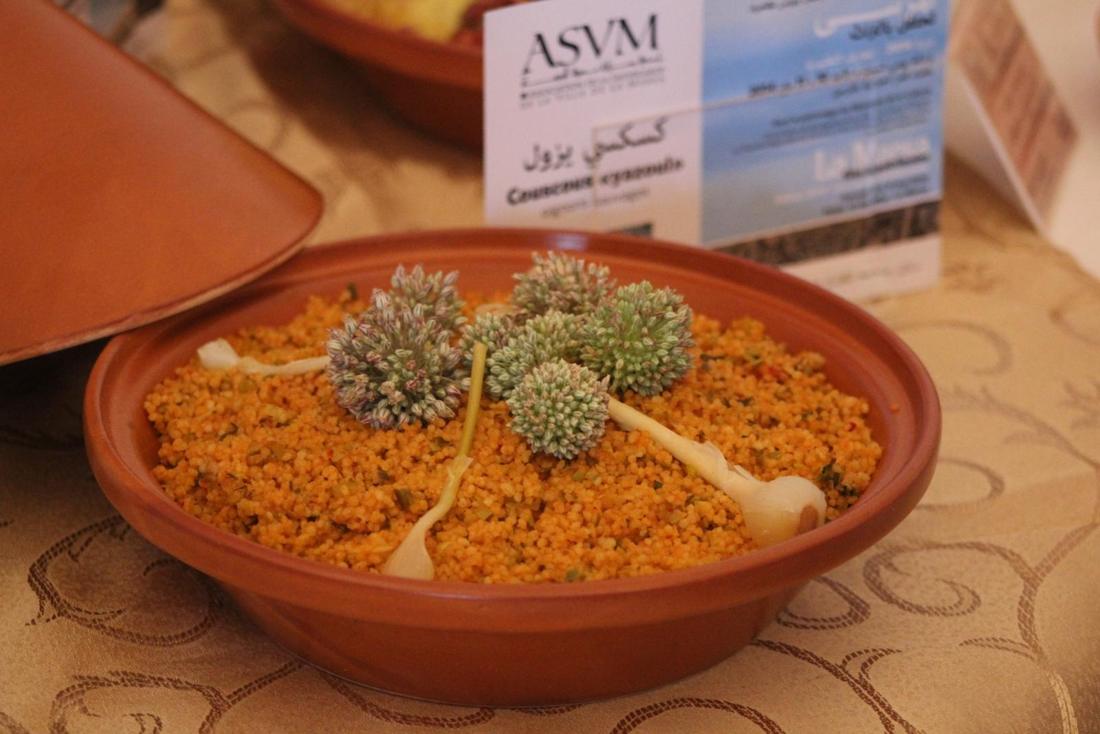
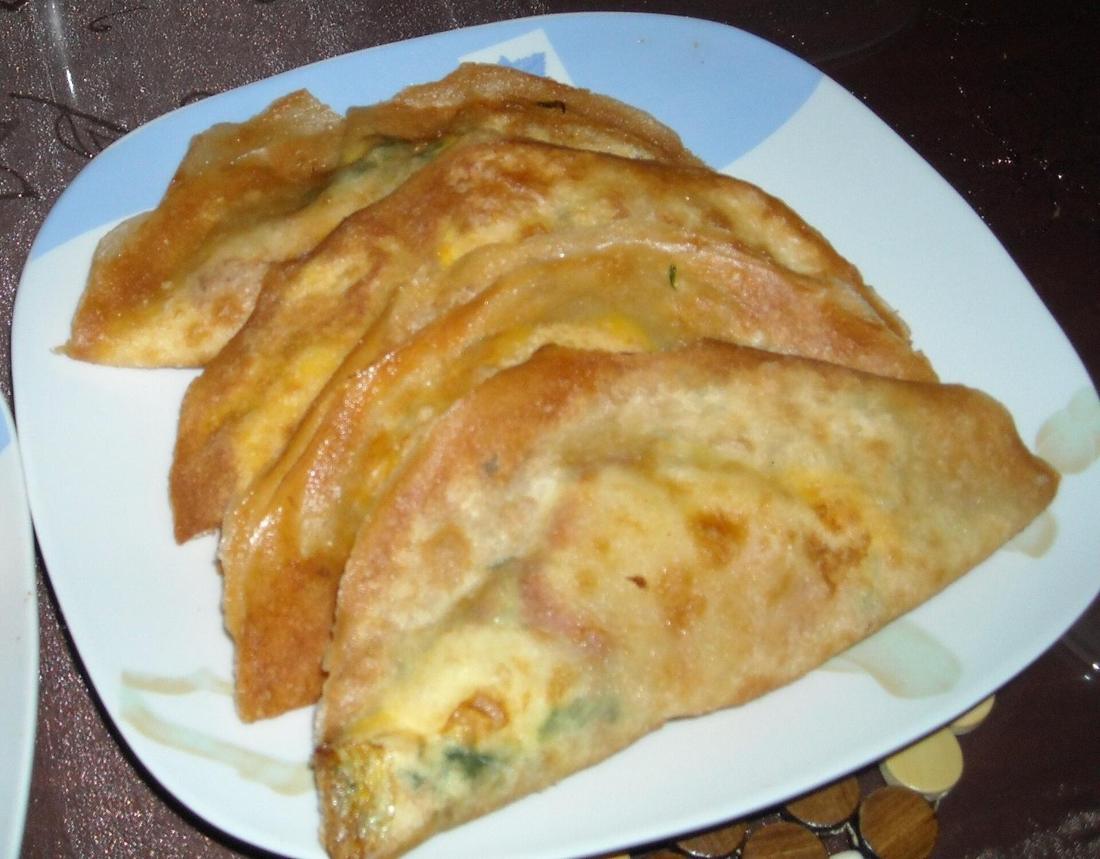
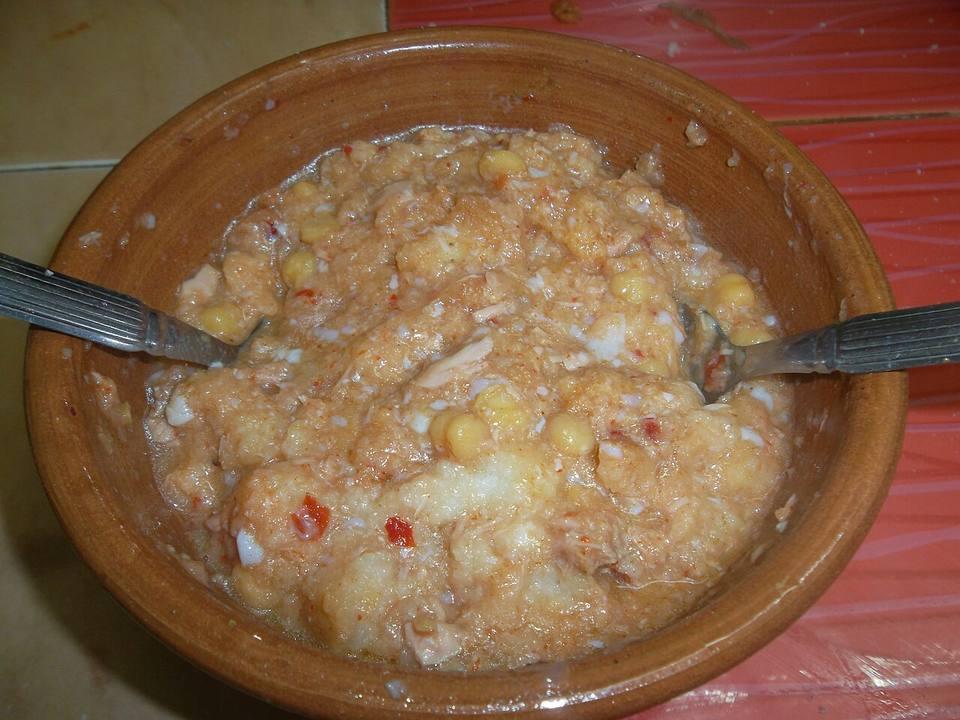
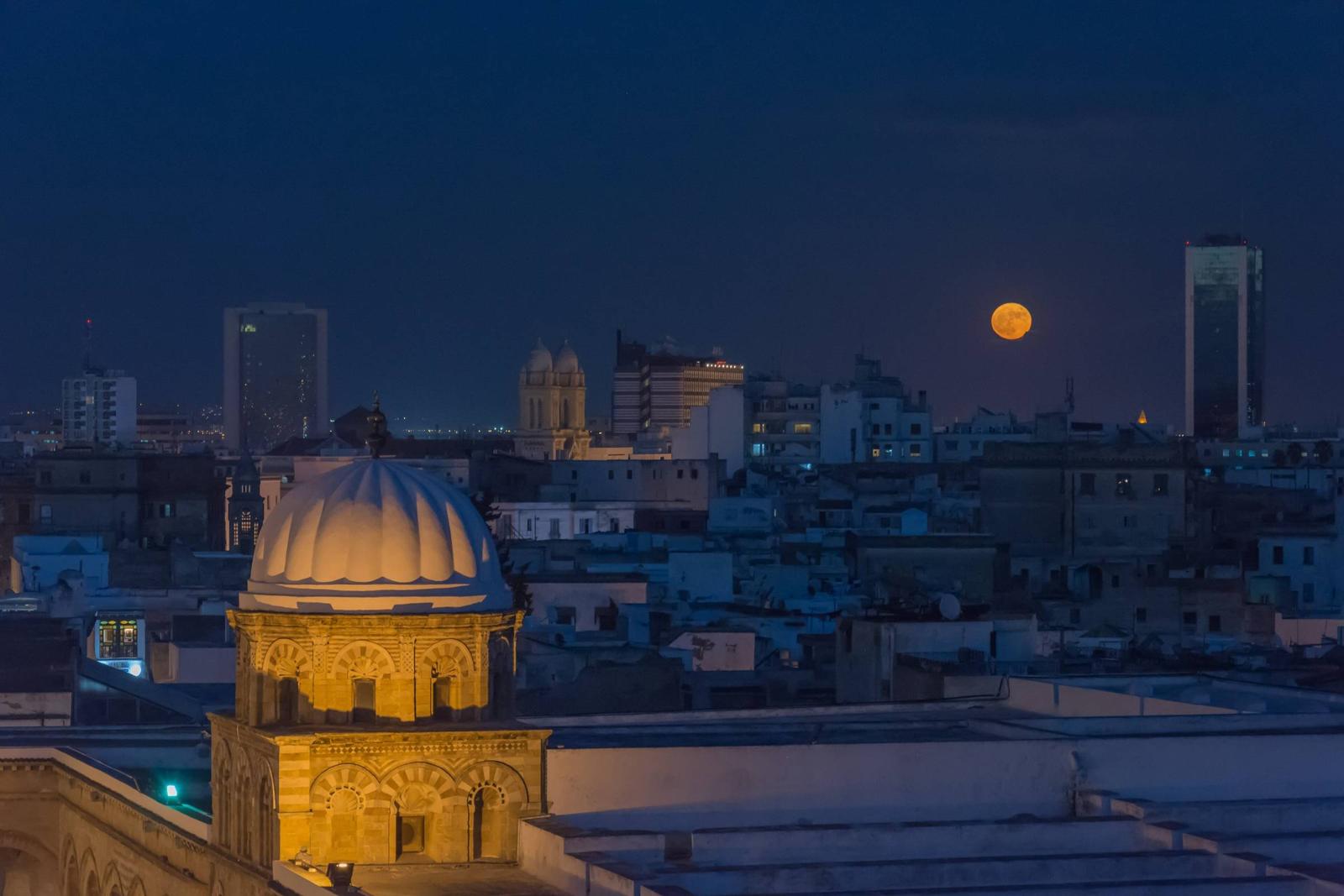
Nights here are relaxed rather than wild: long dinners, cafés that stay busy until late, rooftop lounges and beach clubs in summer, and open-air concerts at the festivals.
 Lounges · beach clubsGammarth & La MarsaThe capital's most stylish evenings: sea-view lounges, restaurants and summer beach clubs.
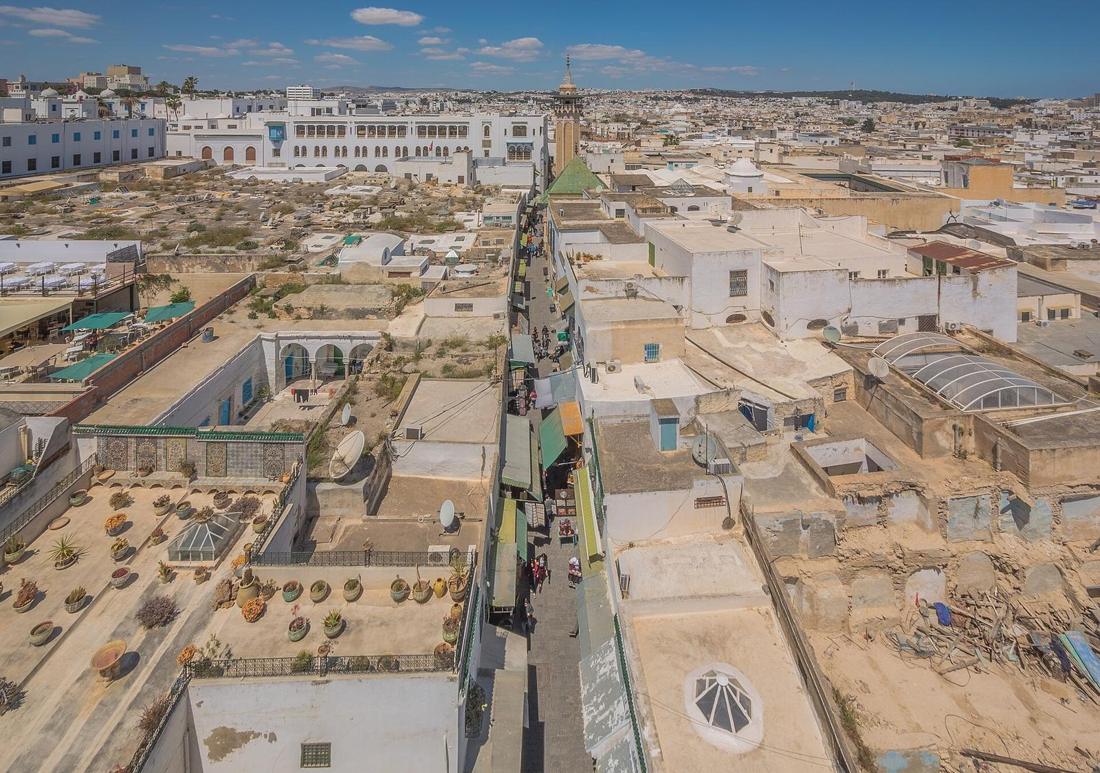 Cafés · live musicTunis centreEvening walks on Avenue Habib Bourguiba, theatre, jazz and live music, and late cafés in the medina.
Clubs · marinaHammamet & YasmineThe busiest resort nightlife, with clubs, bars and the marina at Yasmine Hammamet.
Cafés · live musicTunis centreEvening walks on Avenue Habib Bourguiba, theatre, jazz and live music, and late cafés in the medina.
Clubs · marinaHammamet & YasmineThe busiest resort nightlife, with clubs, bars and the marina at Yasmine Hammamet.
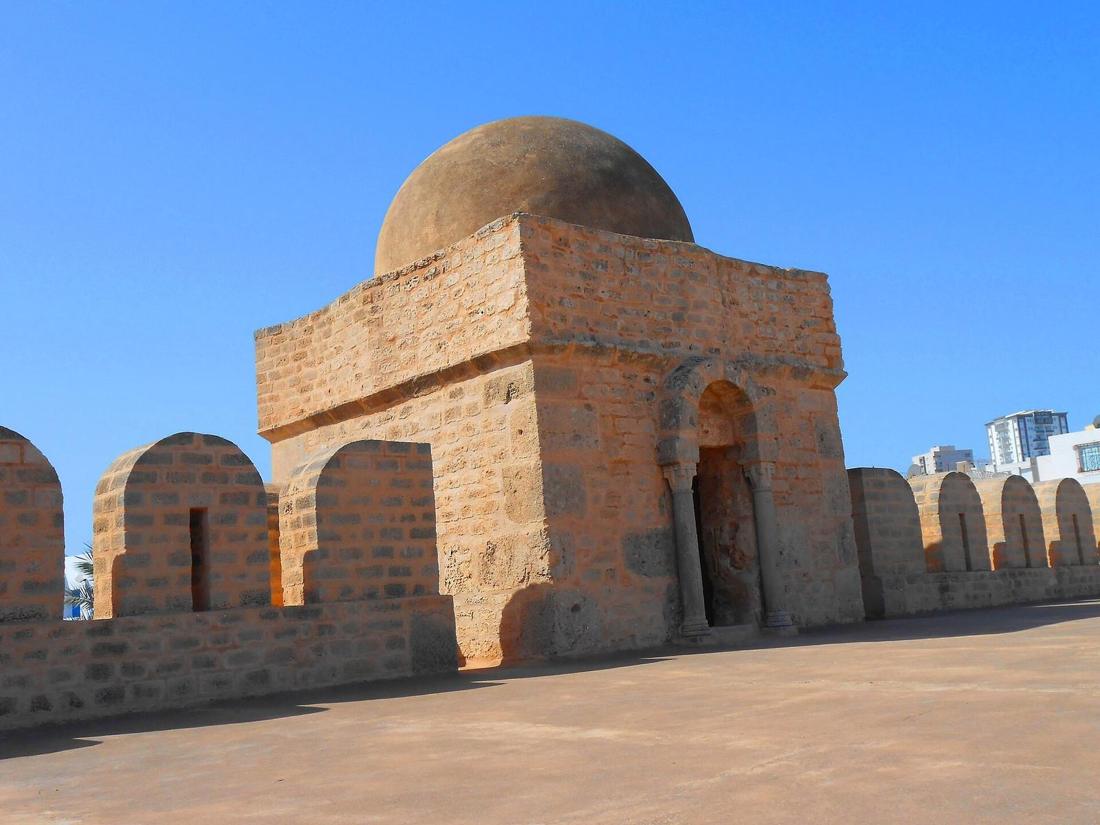 Resort nightsSousse & Port El KantaouiHotel bars, clubs and the harbour promenade, busy from spring to autumn.
Easy-goingDjerbaQuieter evenings: hotel bars, beach dinners and live music in the tourist zone.
Resort nightsSousse & Port El KantaouiHotel bars, clubs and the harbour promenade, busy from spring to autumn.
Easy-goingDjerbaQuieter evenings: hotel bars, beach dinners and live music in the tourist zone.
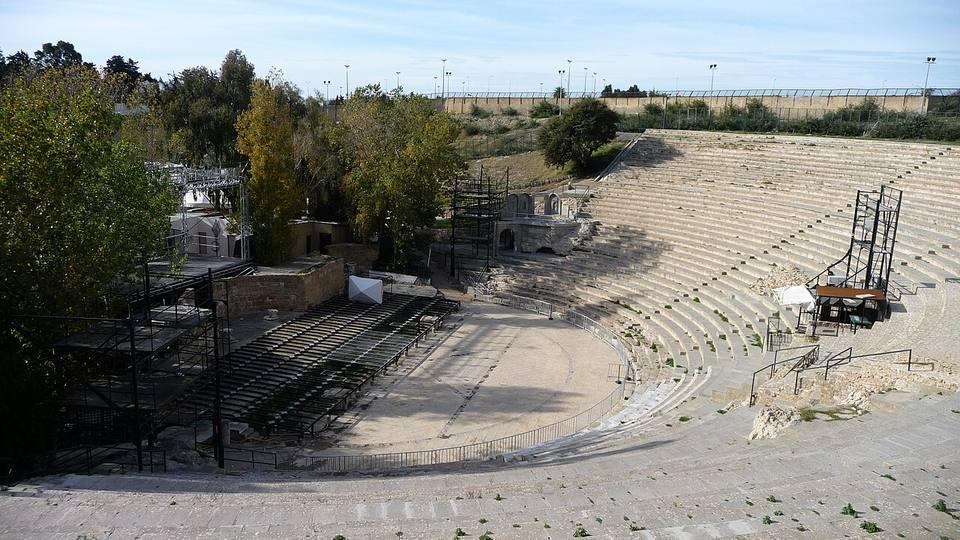 July – AugustSummer festivalsConcerts under the stars at the Roman theatres of Carthage and Hammamet, and in Tabarka.
Pick a city and a mood. These are well-known names travellers and locals go to; venues open, close and change name often, so check their social pages for this week's events before you go.
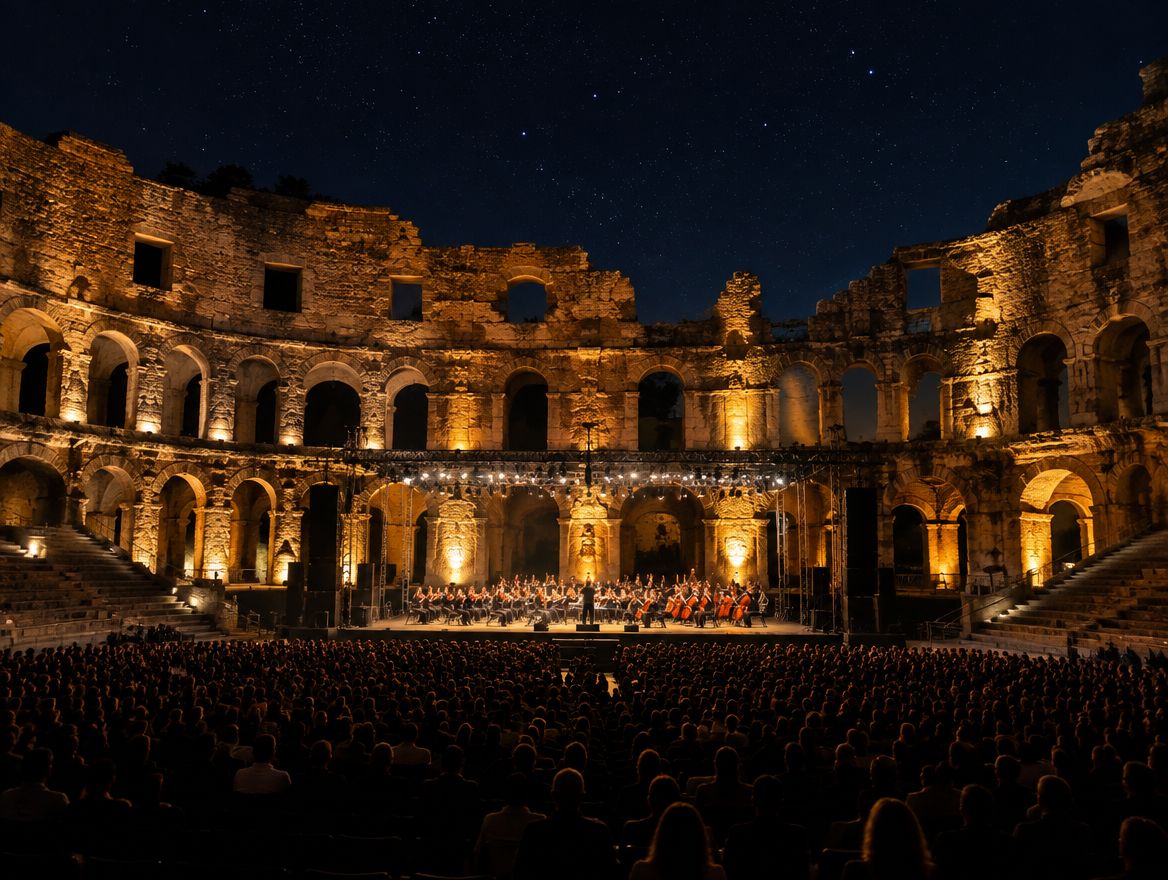
The Carthage and Hammamet international festivals fill open-air theatres every summer, and El Jem's amphitheatre hosts a symphonic music festival (11 July – 15 August in 2026).
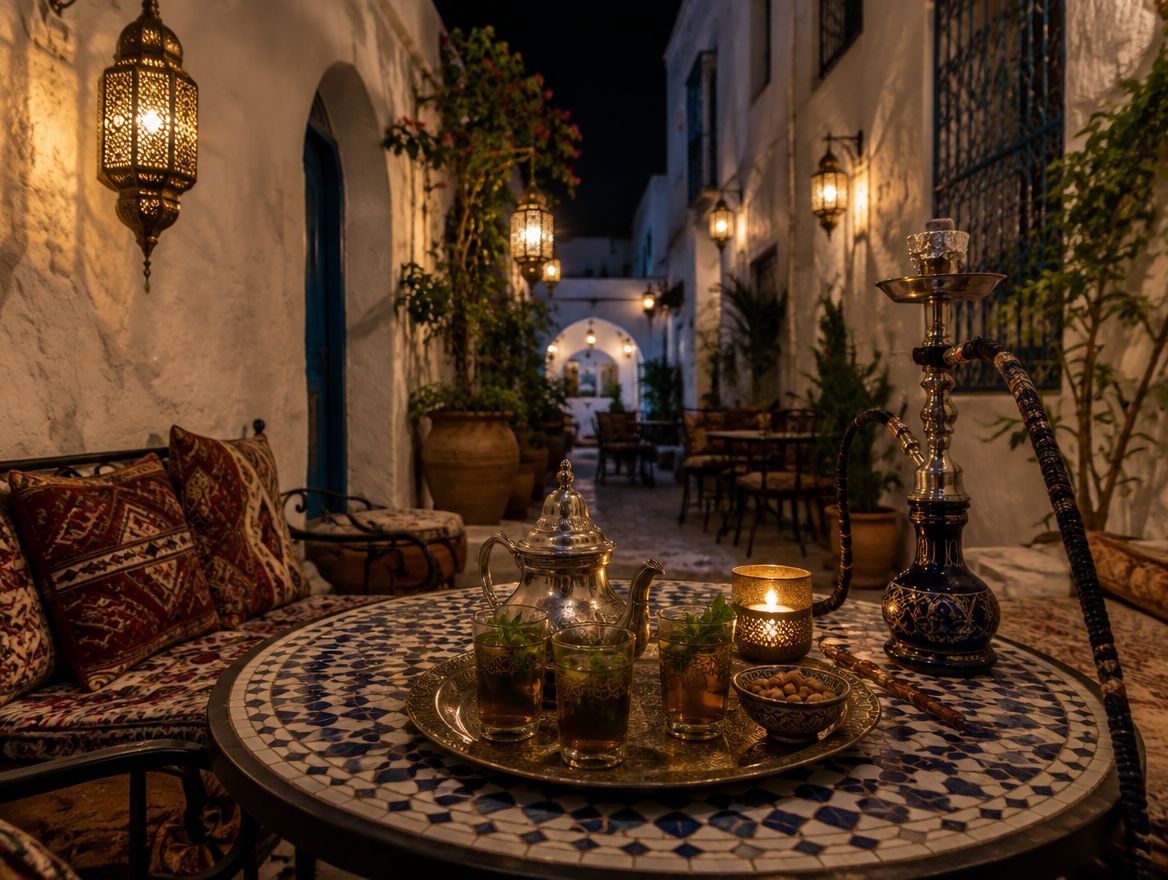
Mint tea with pine nuts, coffee and shisha under lanterns. Café M'rabet in the Tunis medina and Café des Nattes in Sidi Bou Saïd are classics.
After the evening meal the medinas stay awake: concerts, Sufi music and street food, with the Medina Festival in Tunis.
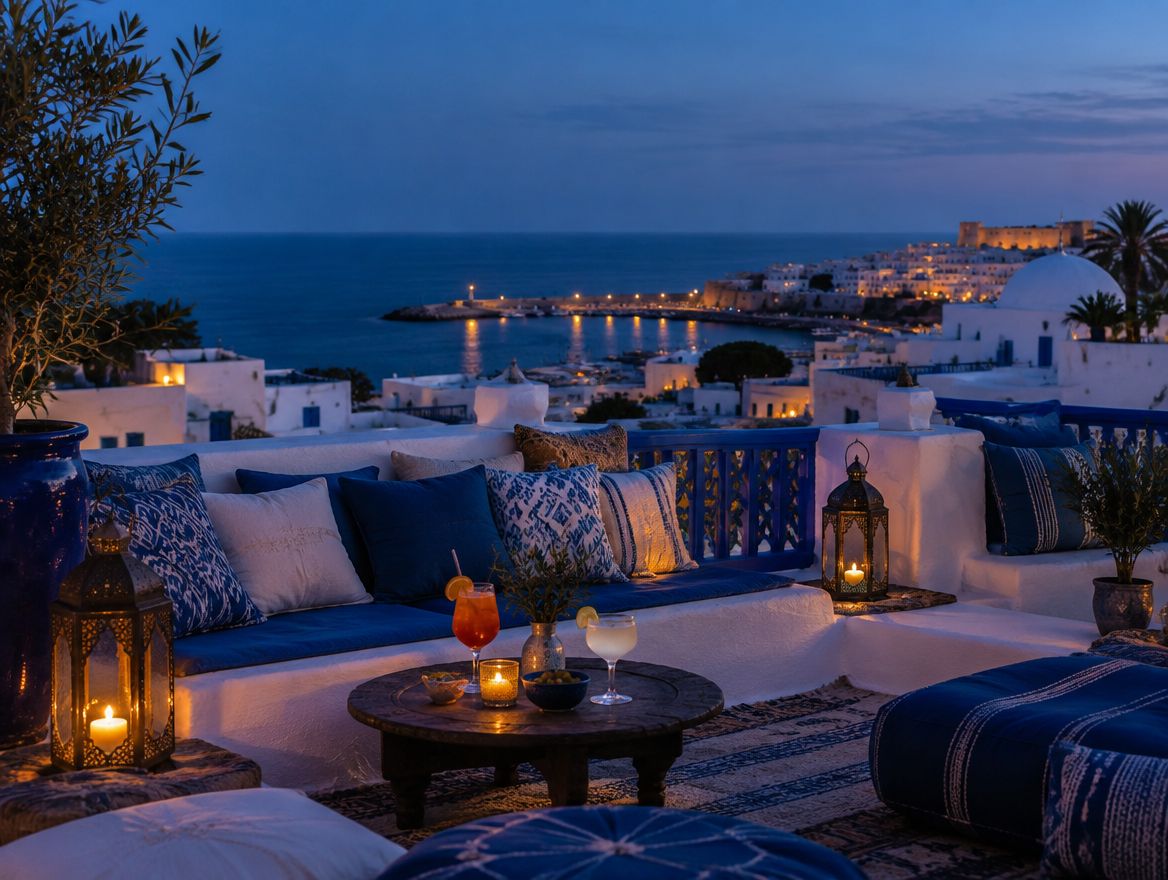
Watch the gulf turn pink from the terraces of Café des Délices, then walk down to La Marsa or Gammarth for dinner.
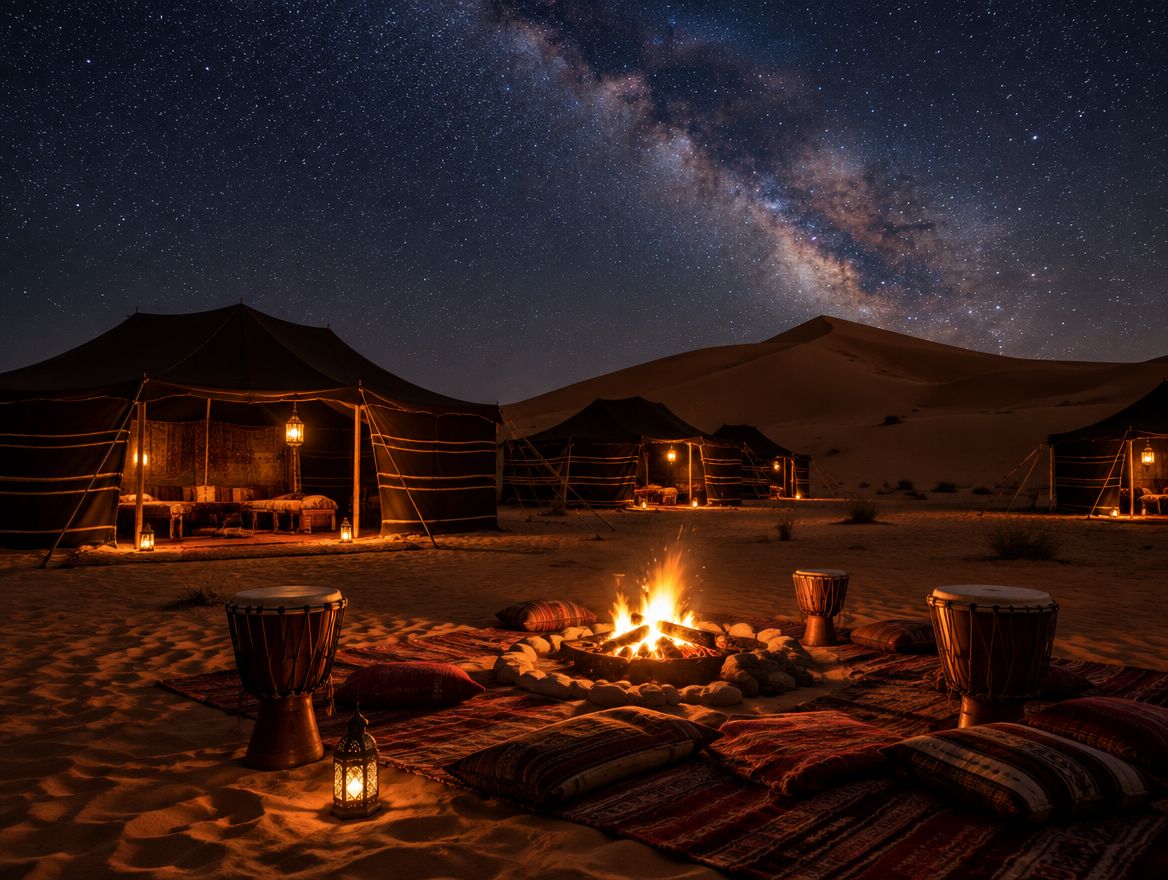
Camps near Douz and Ksar Ghilane serve dinner by the fire, with drums, songs and a sky full of stars.
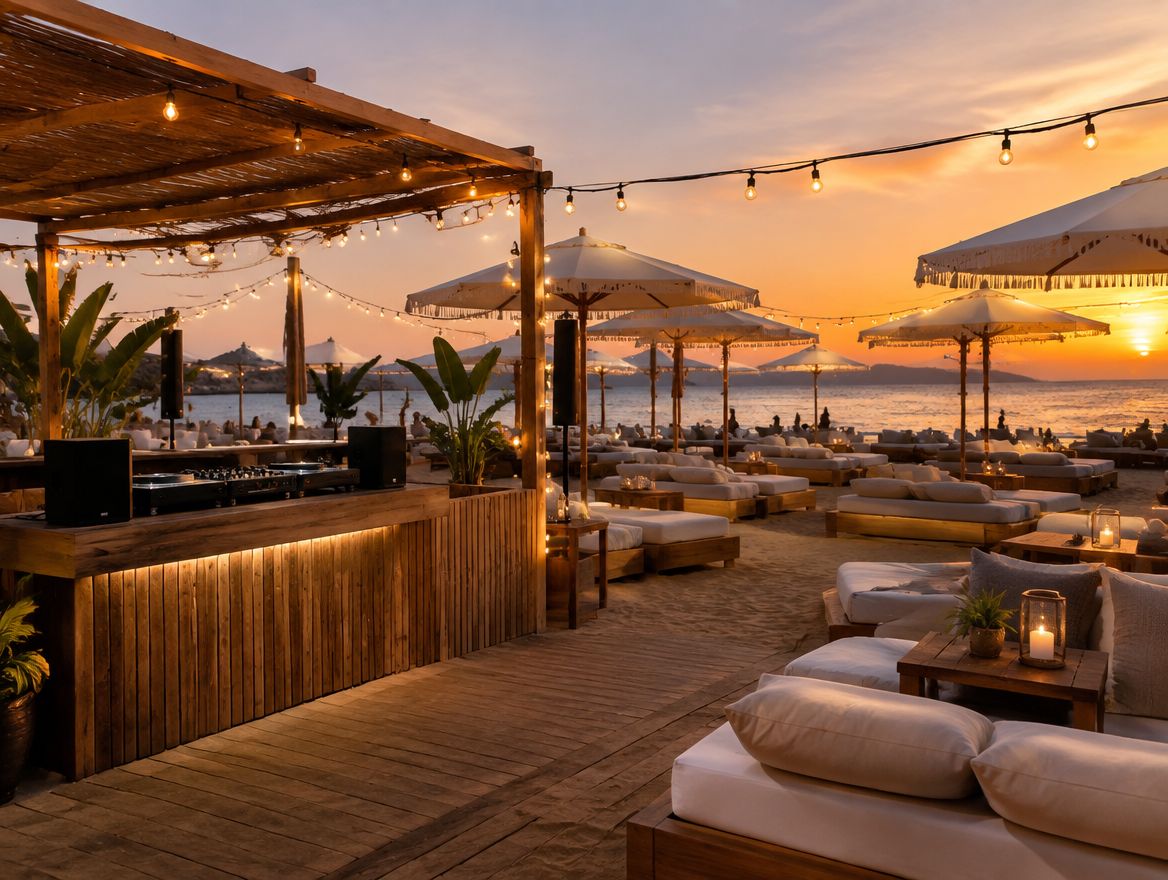
Port El Kantaoui, Yasmine Hammamet and the corniche in Sousse are busy until late, with ice cream, music and people-watching.
Apart from the Ramadan photo, the night scenes above are AI-generated illustrations (Higgsfield), not photos of specific venues.
For many Tunisians a night out means a café terrace with mint tea, coffee or shisha, often until after midnight, and dinner with family or friends.
After sunset the streets come alive: families eat together, then cafés, medinas and cultural festivals stay busy late into the night. Bars are quieter and alcohol is harder to find.
Alcohol is served in licensed hotels, bars and restaurants, not everywhere. Drinking in public streets or on the beach is not acceptable.
Beach clubs and many resort venues open from about June to September. Outside summer, the best nights are in Tunis and its northern suburbs.
Use official taxis, or ask the venue or your hotel to call one. Agree the fare or check the meter is on, especially late at night.
Lounges, hotel bars and the well-known clubs are used to mixed and foreign crowds. Go out in a group if you can, keep an eye on your drink and take a booked or official taxi home.
Carry ID: some clubs and the casino check it. Same-sex relationships are illegal in Tunisia, so LGBTQ+ travellers usually keep things discreet in public.
Smart-casual works almost everywhere. Popular clubs may ask you to book a table, check your ID and have a dress code.
From Cap Blanc in Bizerte, the northern tip of Africa, to the ksour of Tataouine.
Click a city on the map to open its governorate. Every governorate has its own link, so you can share just one.
Simplified map. Each dot is a governorate capital.
Film sets in the dunes, a food trail and the UNESCO circuit.
Three routes that link governorates around one theme. Each stop opens that governorate's page.
Tunisia's landscapes have stood in for distant planets and ancient lands.
Taste your way from the citrus groves of the north to the date palms of the south.
Ten World Heritage sites, from the northern lakes to the island of Djerba.
From Punic Carthage to the blue village of Sidi Bou Saïd.
Tunisia's ten World Heritage sites, in the order they were built. Tap a site to see when UNESCO listed it.
Entry, arrival, money, transport, safety, health, customs and culture, updated October 2026.
Bring a passport valid for at least six months after your arrival date, with a blank page for stamps. Airlines may also ask for a return or onward ticket.
Visitors from the EU, UK, US, Canada, the Gulf states and many other countries need no visa for short stays. There is no e-visa system yet.
Check your nationality →Take a policy that covers medical treatment and repatriation. Private clinics expect payment up front.
No vaccinations are required to enter. Make sure routine vaccines are up to date and ask your doctor about hepatitis A and typhoid.
If you plan to rent a car, bring your licence and an International Driving Permit. Driving is on the right.
Many governments offer free traveller registration, such as the US STEP programme, so they can reach you in an emergency.
| Airport | Code | Best for |
|---|---|---|
| Tunis-Carthage | TUN | Tunis, Carthage, Sidi Bou Saïd, the north. Main international airport, about 8 km from the city centre. |
| Enfidha-Hammamet | NBE | Hammamet, Sousse and the resort coast |
| Monastir Habib Bourguiba | MIR | Monastir, Sousse, Mahdia |
| Djerba-Zarzis | DJE | Djerba, Zarzis, Tataouine and the deep south |
| Tozeur-Nefta | TOE | Oases, Chott el Djerid and the Sahara |
| Sfax-Thyna | SFA | Sfax and the Kerkennah Islands |
| Tabarka-Aïn Draham | TBJ | The north-west coast and forests |
Car ferries link La Goulette (the port of Tunis) with Italy (including Genoa, Civitavecchia and Palermo) and France (Marseille).
A local prepaid SIM is the cheapest way to get mobile data in Tunisia. Three operators cover the country, and all of them have counters in the arrivals hall at Tunis-Carthage.
| Option | Good for | Keep in mind |
|---|---|---|
| Local SIM | Cheapest data and a Tunisian number for calls, taxis and restaurants. | Your phone must be unlocked. You need your passport to buy it. |
| Travel eSIM | Data that works as soon as you land, bought online before you travel. | Usually data only, with no local number. Check your phone supports eSIM. |
| Home roaming | Short trips when you just want it to work. | Tunisia is not part of EU roaming, so prices can be high. Check with your provider first. |
The currency is the Tunisian dinar (TND), divided into 1,000 millimes. It is a closed currency: you can only buy it inside Tunisia, and you may not take it out.
Interbank rates of 10 August 2026: 1 EUR = 3.3778 TND, 1 USD = 2.9269 TND. Exchange offices give slightly less. Check today's rate before you travel.
Rough guide for 2026. Prices vary by city and season.
| Item | Budget | Mid-range | Comfort |
|---|---|---|---|
| Coffee in a café | 1–3 TND | 3–6 TND | 6–12 TND |
| Lunch or street food | 5–15 TND | 20–40 TND | 50+ TND |
| Dinner for one | 15–30 TND | 40–80 TND | 100+ TND |
| Room per night | 80–150 TND | 180–400 TND | 450+ TND |
SNCFT trains run from Tunis down the coast to Sousse, Sfax and Gabès, and west to Béja and Jendouba. The Sahel metro links Sousse, Monastir and Mahdia. Cheap and comfortable.
The TGM line runs from central Tunis to La Goulette, Carthage, Sidi Bou Saïd and La Marsa. The easiest way to see all three.
Shared minibuses that leave when full and link almost every town. Fast and inexpensive; fares are fixed.
City taxis are yellow and should use the meter. Agree the fare in advance for long trips and airport runs.
Flights connect Tunis with Djerba and Tozeur, which saves a long day of driving to the south.
A car with driver is the easiest way to explore the south. Ferries cross from Jorf to Djerba and from Sfax to Kerkennah.
Millions of people holiday in Tunisia every year without trouble. Hotels, resorts and major sites have a visible police and security presence, and Tunisians are generally welcoming and helpful to visitors.
Like most governments, the US State Department asks travellers to exercise increased caution (Level 2, May 2026), mainly because of a terrorism risk, petty crime and occasional demonstrations.
Always check your own government's latest travel advice before you go.
Save your embassy's phone number and your hotel's address on your phone.
Drink bottled water, which is cheap and sold everywhere. Avoid ice from unknown sources.
Summer temperatures inland can pass 40°C. Carry water, wear a hat and avoid the midday sun in the desert.
Big cities have good private clinics. Pharmacies are well stocked, and every town has a night pharmacy on duty.
Swimwear is fine on beaches and at hotel pools. In medinas, towns and religious sites, cover shoulders and knees.
Most mosques are closed to non-Muslims. You can visit the courtyard of the Great Mosque of Kairouan and several others at set times.
Many cafés close by day, and evenings come alive after sunset. Avoid eating and drinking in the street in daylight. Ramadan 2027 is expected to begin in early February.
Sold in hotels, licensed bars and restaurants. Drinking alcohol in the street is illegal.
Ask before photographing people. Never photograph military sites, police, government buildings or embassies.
Drug laws are strict. Same-sex relations are criminalised, and public displays of affection are frowned upon for all couples.
Many women travel independently. Expect some unwanted comments in cities; dressing conservatively and ignoring them usually works.
Friday is the main prayer day. Shops and offices may close for a while around midday.
Wildflowers in the north, green wheat fields and mild days. The best time for Roman sites and hiking.
Hot, dry and sunny. Head for the coast, the islands and the open-air festivals.
The sea is still warm and the desert cools down. The date harvest begins in the oases.
Cool on the coast, crisp and sunny in the Sahara. Festival of the Sahara season in Douz.
Festival dates change each year. Islamic holidays follow the lunar calendar and move about 11 days earlier each year.
Tunisian Arabic (Derja), with French as backup. Tap a card to see the French.
Tick items off as you pack. Your list is saved in this browser.
Pick your nationality for a quick answer. Rules change, so confirm with a Tunisian embassy or your airline before you book.
Your answer will appear here.
To stay beyond your visa-free period, apply for a residence permit at the central police station before it ends. Overstaying leads to fines.
Some nationalities that normally need a visa can enter without one on an organised tour with a hotel voucher. Ask your tour operator.
Tunisia does not yet have an online e-visa. Where a visa is needed, apply at a Tunisian embassy or consulate. Beware of websites selling "Tunisia e-visas".
200 cigarettes or 50 cigars, 1 litre of spirits or 2 litres of wine or beer, and personal goods up to 800 TND duty-free.
Drones and satellite phones without a permit, narcotics (including CBD), weapons, counterfeit goods and pork products.
Straight answers about safety, money, visas, customs, food and getting around.
Hundreds of photos from all 24 governorates: coasts and oases, medinas and Roman cities, food, festivals and nights out. Tap any photo to see it full size.
All photos come from Wikimedia Commons contributors under Creative Commons licences. Tap a photo to see the photographer and licence. Full credits
Choose how many days you have and what you love. We'll suggest a route across the country, day by day, with links to every region.